



Mechanical LiDAR vs Solid-State LiDAR: Architecture, Performance, and Engineering Selection Guide
LiDAR (Light Detection and Ranging) has become a fundamental sensing technology for autonomous vehicles, robotics, geospatial mapping, and intelligent infrastructure. By measuring the time required for laser pulses to reflect from objects, LiDAR systems generate high-precision three-dimensional representations of the surrounding environment.
Two primary architectures dominate the market: mechanical LiDAR and solid-state LiDAR. Mechanical LiDAR relies on rotating optical assemblies to achieve wide-angle scanning, while solid-state LiDAR eliminates moving parts through semiconductor-based beam steering technologies.
This article examines the engineering architecture, operating principles, internal components, performance characteristics, and real-world applications of both LiDAR types. It also provides practical selection criteria for system designers, helping engineers determine the most suitable LiDAR solution based on range, resolution, reliability, and integration requirements.
Table of Contents
- 1. Fundamentals of LiDAR Technology
- 2. Mechanical LiDAR Architecture
- 3. Operating Principle of Mechanical LiDAR
- 4. Core Components of Mechanical LiDAR Systems
- 5. Solid-State LiDAR Architecture
- 6. Solid-State LiDAR Scanning Technologies
- 7. Core Components of Solid-State LiDAR
- 8. Mechanical vs Solid-State LiDAR: Engineering Comparison
- 9. Major Applications of LiDAR Systems
- 10. Key Factors When Selecting a LiDAR System
- FAQ
- Conclusion
1. Fundamentals of LiDAR Technology
LiDAR (Light Detection and Ranging) is an active optical sensing technology that determines the distance between a sensor and an object by measuring the time-of-flight (ToF) of laser pulses.
The basic measurement process involves three steps:
- Laser emission – A short laser pulse is transmitted toward the environment.
- Reflection – The pulse reflects from objects such as terrain, vehicles, or structures.
- Detection – A photodetector measures the return signal and records the travel time.
Distance is calculated using:
Distance = (c × t) / 2
Where:
- c = speed of light
- t = round-trip travel time of the laser pulse
By repeating this process millions of times per second and scanning across multiple directions, LiDAR systems generate dense 3D point clouds that represent the surrounding environment.
2. Mechanical LiDAR Architecture
Mechanical LiDAR
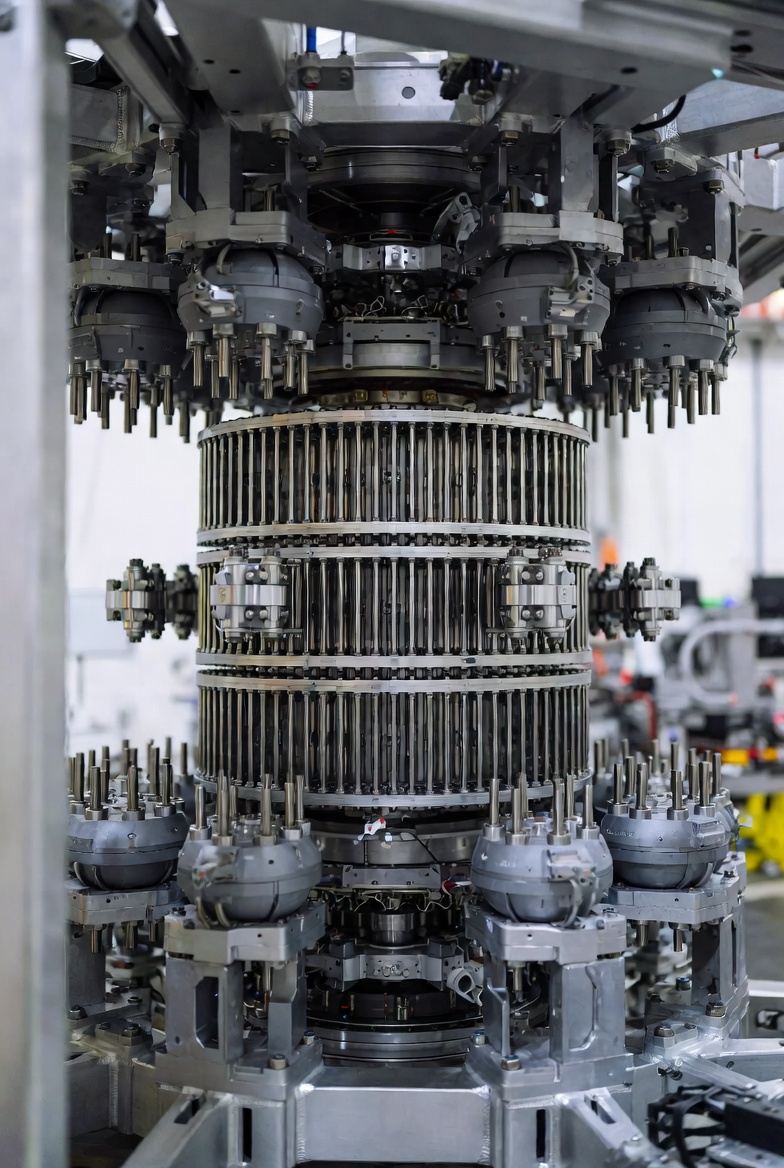
Figure 1. Mechanical LiDAR Rotating Sensor Architecture
Mechanical LiDAR is the earliest commercially deployed LiDAR architecture. It uses rotating optical assemblies to scan the environment and collect spatial measurements.
Typical systems consist of a rotating head containing:
- laser emitters
- photodetectors
- scanning mirrors
- optical lenses
The entire assembly rotates using a precision motor, allowing the LiDAR to achieve 360-degree horizontal field of view.
Because of its ability to capture wide-angle high-resolution data, mechanical LiDAR has historically been used in:
- early autonomous vehicle prototypes
- high-resolution terrain mapping
- robotics research
- surveying systems
However, the presence of moving parts introduces mechanical complexity, cost, and reliability concerns.
3. Operating Principle of Mechanical LiDAR
Mechanical LiDAR Scanning Process
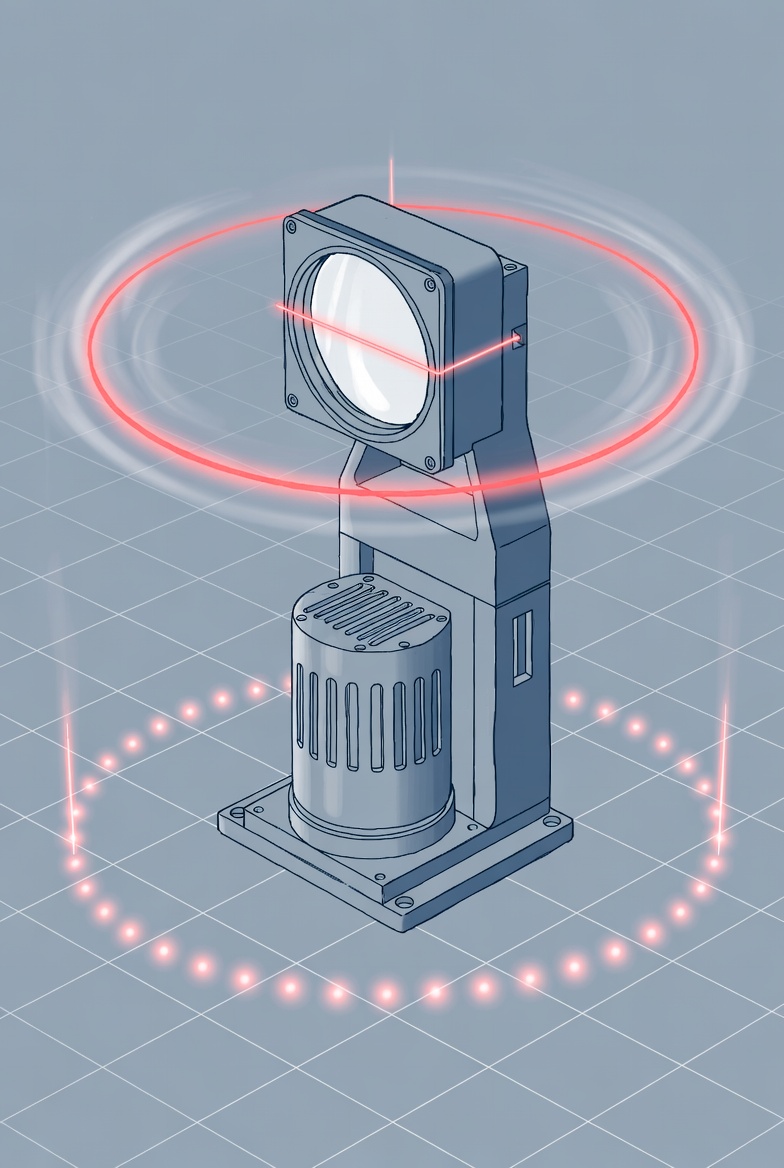
Figure 2. Mechanical LiDAR 360-Degree Scanning Principle
Mechanical LiDAR systems perform environmental scanning through continuous rotation of the sensor assembly.
The typical workflow includes:
Rotational scanning
A high-speed motor rotates the sensor head, often between 5 and 20 revolutions per second.
Laser pulse emission
Multiple vertically aligned lasers emit pulses during rotation, creating a cylindrical scanning pattern.
Time-of-flight measurement
Photodetectors measure the return time of reflected pulses to determine object distance.
Point cloud generation
Distance measurements are combined with the sensor's rotational angle and orientation data to generate a 3D spatial point cloud.
High-end mechanical LiDAR systems can produce millions of points per second, enabling highly detailed environmental mapping.
4. Core Components of Mechanical LiDAR Systems
A typical mechanical LiDAR sensor integrates several critical subsystems.
Laser Transmitter
Produces short laser pulses, typically using 905 nm or 1550 nm wavelength lasers.
Photodetector Receiver
Detects reflected photons and converts optical signals into electrical signals. Common detector types include:
- Avalanche photodiodes (APD)
- Single-photon avalanche diodes (SPAD)
Rotational Scanning Mechanism
Motors and mechanical bearings rotate the optical assembly to provide full environmental coverage.
Signal Processing Unit
Performs signal amplification, filtering, and distance calculation using ToF algorithms.
Positioning and Motion Sensors
Systems such as GPS, IMU, and gyroscopes provide orientation data to accurately align LiDAR measurements in global coordinates.
5. Solid-State LiDAR Architecture
Solid-State LiDAR
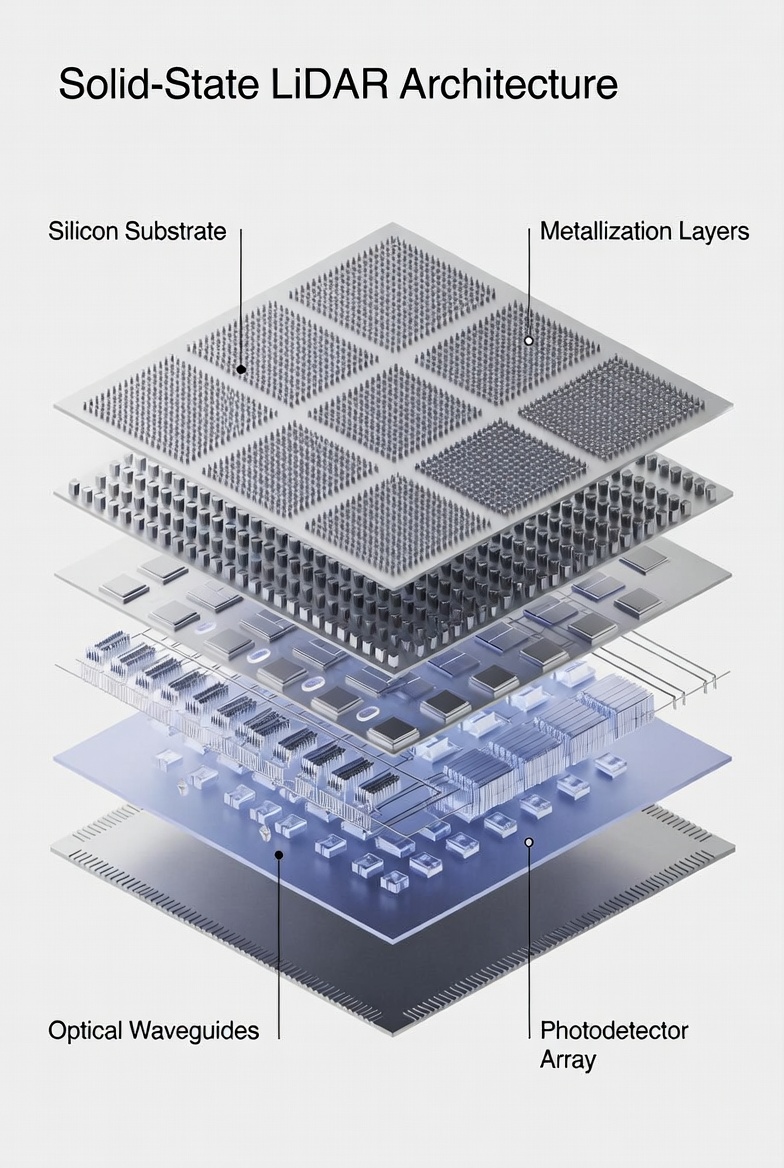
Figure 3. Solid-State LiDAR Semiconductor Architecture
Solid-state LiDAR represents a newer generation of LiDAR sensors designed without mechanical rotation. Instead, beam steering is achieved using electronic or photonic components.
Advantages include:
- smaller physical size
- higher reliability
- lower power consumption
- better scalability for mass production
Solid-state LiDAR has become the preferred solution for automotive-grade sensing systems and embedded perception platforms.
6. Solid-State LiDAR Scanning Technologies
Solid-state LiDAR can be implemented using several different scanning technologies.
MEMS LiDAR
Uses micro-electromechanical mirrors to steer laser beams. These mirrors oscillate at high speed to scan across the field of view.
Advantages:
- compact design
- moderate cost
- good resolution
Flash LiDAR
Illuminates the entire scene in a single pulse using a wide laser beam and captures reflections using a 2D sensor array.
Advantages:
- no scanning required
- extremely fast frame rates
Limitations:
- shorter detection range
- higher power requirements
Optical Phased Array (OPA)
Uses integrated photonic phase control to steer laser beams electronically without moving parts.
Advantages:
- fully solid-state design
- high reliability
- scalable chip integration
However, OPA technology is still evolving and remains relatively expensive.
7. Core Components of Solid-State LiDAR
Solid-state LiDAR integrates multiple semiconductor-based modules.
Laser Emitter Array
Generates multiple laser beams simultaneously to enable high-speed scanning.
Photodetector Array
Receives reflected photons and converts them into electrical signals.
Beam Steering Module
Implements scanning using MEMS mirrors, OPA photonics, or electronic switching.
Processing and Control Electronics
Embedded processors perform:
- signal amplification
- noise filtering
- distance computation
- point cloud reconstruction
These systems often integrate ASICs or FPGA processors for real-time data processing.
8. Mechanical vs Solid-State LiDAR: Engineering Comparison
| Feature | Mechanical LiDAR | Solid-State LiDAR |
|---|---|---|
| Scanning Method | Rotating optical assembly | Electronic or photonic beam steering |
| Moving Parts | Yes | None or minimal |
| Field of View | Up to 360° | Typically 90°–180° |
| Size | Large sensor housing | Compact semiconductor module |
| Reliability | Mechanical wear possible | Higher long-term reliability |
| Manufacturing | Complex mechanical assembly | Semiconductor manufacturing scalable |
| Cost Trend | Higher | Decreasing with mass production |
Mechanical LiDAR typically offers higher angular resolution and wider coverage, while solid-state LiDAR provides better reliability and integration potential.
9. Major Applications of LiDAR Systems
LiDAR Application Scenarios
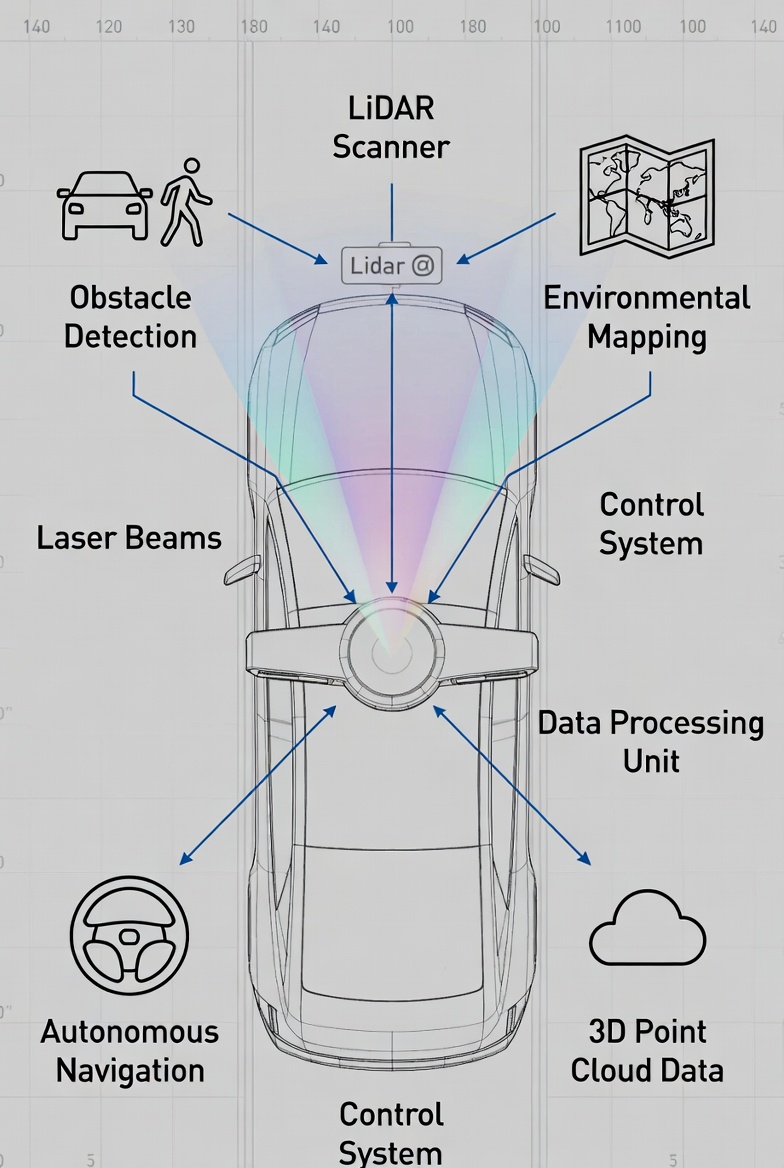
Figure 4. LiDAR Applications in Autonomous Systems
LiDAR technology has become essential in several advanced sensing applications.
Autonomous Vehicles
LiDAR enables vehicles to detect obstacles, identify road boundaries, and construct real-time 3D maps of their surroundings.
Robotics and Automation
Industrial robots and mobile robots use LiDAR for simultaneous localization and mapping (SLAM).
Geospatial Mapping
Airborne LiDAR systems generate high-resolution topographic maps used in:
- terrain modeling
- infrastructure planning
- flood risk analysis
Forestry and Environmental Monitoring
LiDAR penetrates vegetation layers to measure:
- canopy structure
- tree height
- terrain elevation beneath forests
Smart Cities and Infrastructure
Urban planners use LiDAR to generate high-accuracy 3D city models for simulation and planning.
10. Key Factors When Selecting a LiDAR System
Selecting the correct LiDAR system requires balancing performance, integration, and cost constraints.
Detection Range
Range determines how far the sensor can reliably detect objects. Autonomous driving systems typically require 150–300 meters.
Angular Resolution
Higher resolution results in denser point clouds and better object recognition.
Field of View (FOV)
Wide horizontal and vertical FOV improves environmental awareness.
Frame Rate
Higher scanning frequency enables faster detection of moving objects.
Size and Integration
Compact sensors are critical for drones, robots, and embedded systems.
Power Consumption
Low power designs are essential for mobile and battery-powered devices.
FAQ
Why are solid-state LiDAR systems becoming more popular?
Solid-state LiDAR eliminates mechanical parts, improving reliability while enabling lower manufacturing costs through semiconductor fabrication processes.
Does mechanical LiDAR provide better accuracy?
Mechanical LiDAR often offers higher angular resolution and wider scanning coverage, which can result in more detailed point clouds.
What wavelength is commonly used in LiDAR systems?
Most LiDAR systems operate at 905 nm or 1550 nm wavelengths due to safety and atmospheric transmission properties.
Can LiDAR work in bad weather?
Performance may degrade in heavy rain, fog, or snow because airborne particles scatter the laser light and reduce signal strength.
Conclusion
LiDAR has become a foundational sensing technology for modern autonomous systems and spatial mapping applications. Mechanical LiDAR provides high-resolution 360-degree scanning and has historically been the dominant architecture in research and mapping platforms. However, the rise of semiconductor-based technologies has accelerated the adoption of solid-state LiDAR due to its compact size, reliability, and scalability.
For engineers and system designers, selecting the appropriate LiDAR solution requires careful consideration of range, resolution, field of view, power consumption, and integration constraints. As photonics and semiconductor manufacturing continue to advance, solid-state LiDAR is expected to play an increasingly important role in next-generation sensing platforms.