



PCB Corrosion: Causes, Failure Mechanisms, and Professional Repair Methods
Printed Circuit Board (PCB) corrosion is a major reliability risk in electronic systems. It occurs when copper conductors and metal interfaces react with oxygen, moisture, ionic contaminants, or environmental chemicals. Over time, corrosion increases electrical resistance, degrades solder joints, and may completely destroy conductive traces.
This article explains the electrochemical mechanisms behind PCB corrosion, the environmental and manufacturing factors that accelerate it, and engineering-grade methods for inspection, repair, and long-term prevention. It also compares common PCB surface finishes such as ENIG and HASL from a corrosion-resistance perspective.
Table of Contents
- 1. Understanding PCB Oxidation and Corrosion
- 2. Electrochemical Mechanisms of PCB Corrosion
- 3. Environmental and Manufacturing Causes
- 4. Visual and Electrical Symptoms of PCB Corrosion
- 5. Surface Finishes and Their Corrosion Resistance
- 6. Impact of Corrosion on Electronic Reliability
- 7. Professional Tools for PCB Corrosion Repair
- 8. Step-by-Step PCB Corrosion Repair Process
- 9. Repair Techniques for Severe Corrosion Damage
- 10. Engineering Methods to Prevent PCB Corrosion
- FAQ
- Conclusion
1. Understanding PCB Oxidation and Corrosion
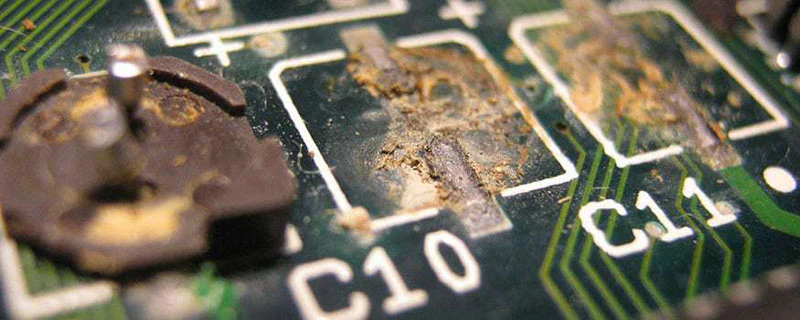
Printed circuit boards rely on copper conductors, plated vias, solder joints, and component leads to form reliable electrical connections. These metallic surfaces are susceptible to chemical reactions when exposed to oxygen, humidity, and contaminants.
Two related but distinct processes occur.
Oxidation
Oxidation occurs when copper reacts with oxygen to form copper oxide.
Typical reactions include:
- Cu + O₂ → CuO
- 2Cu + O₂ → Cu₂O
A thin oxide layer forms naturally on exposed copper surfaces. While extremely thin oxide layers may not immediately affect functionality, they reduce surface conductivity, inhibit proper solder wetting, and accelerate further corrosion when moisture is present.
Corrosion
Corrosion is a broader electrochemical degradation process involving oxygen, moisture, salts or ionic contamination, and electric potential differences.
Unlike simple oxidation, corrosion can consume copper and produce compounds such as copper carbonate, copper chloride, and copper hydroxide. These compounds often appear as green or bluish deposits on PCB surfaces.
2. Electrochemical Mechanisms of PCB Corrosion
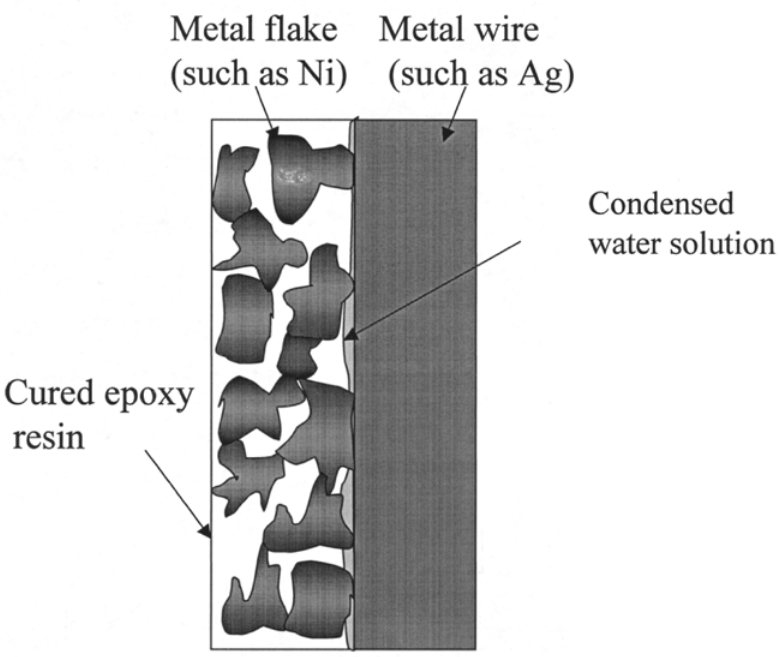
PCB corrosion usually occurs through electrochemical reactions. Three main mechanisms dominate in electronics environments.
2.1 Electrochemical Migration (ECM)
When moisture and ionic contamination exist between two conductors under voltage bias:
- Metal ions dissolve at the anode.
- Ions migrate through the electrolyte.
- Metal deposits grow at the cathode.
This process results in dendritic growth that can eventually create short circuits between PCB traces.
2.2 Galvanic Corrosion
Galvanic corrosion occurs when two different metals contact each other in the presence of an electrolyte.
Common metal combinations include:
- Copper and tin
- Copper and nickel
- Copper and aluminum
The metal with the lower electrochemical potential corrodes first, which gradually damages the electrical connection.
2.3 Chemical Corrosion
Certain environmental chemicals accelerate corrosion reactions. These include chlorine compounds, sulfur-containing gases, and industrial pollutants. These chemicals react with copper and solder materials and form aggressive corrosion products that degrade circuit performance.
3. Environmental and Manufacturing Causes
Several factors significantly accelerate PCB corrosion.
3.1 High Humidity
Relative humidity above 60 percent significantly increases corrosion risk because water can act as an electrolyte.
Condensation is particularly dangerous when electronic equipment experiences rapid temperature changes.
3.2 Ionic Contamination
Common contaminants found on PCBs include:
- Flux residue
- Soldering chemicals
- Fingerprints
- Dust containing salts
Even small amounts of ionic contamination can initiate electrochemical migration between conductors.
3.3 Poor Storage Conditions
Improper storage exposes PCBs to moisture, temperature fluctuations, and airborne pollutants. Long-term storage without protective packaging often results in copper oxidation before assembly.
3.4 Lack of Protective Coating
Bare copper surfaces corrode significantly faster than protected boards. Protective layers such as solder mask, conformal coating, and noble-metal finishes help prevent environmental exposure.
4. Visual and Electrical Symptoms of PCB Corrosion
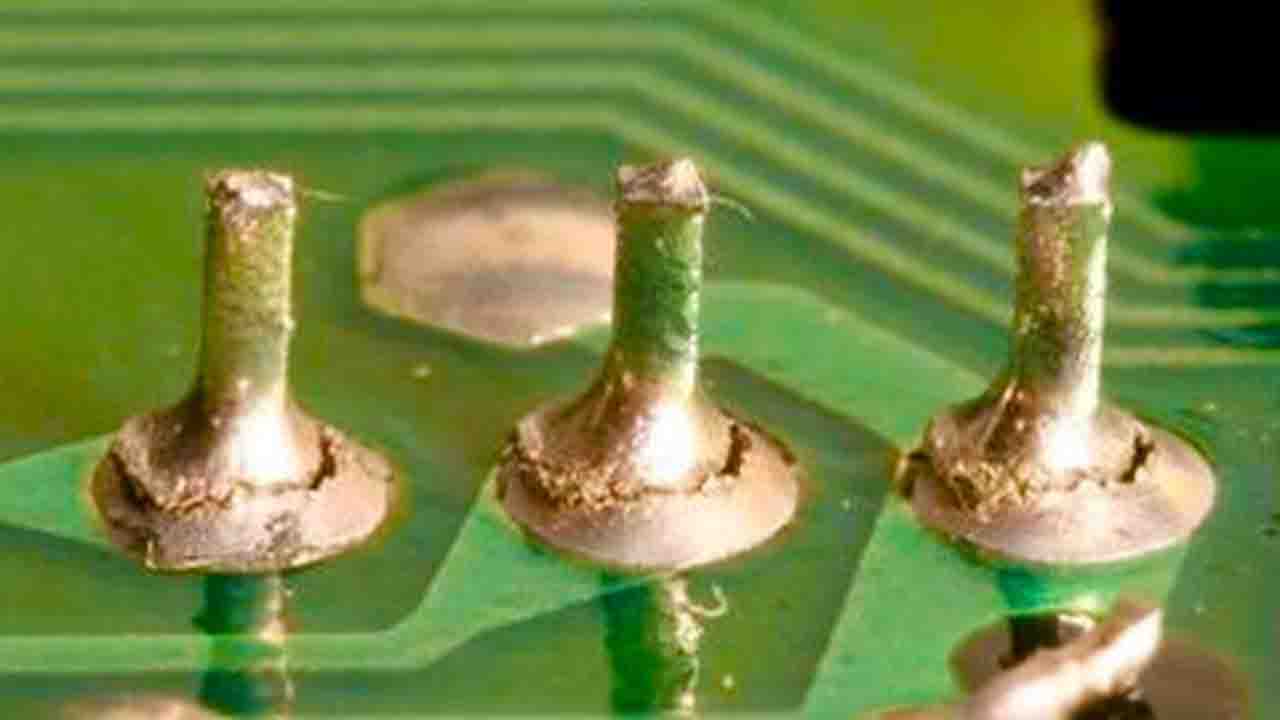
Early detection greatly reduces repair costs and prevents circuit failure.
Common Visual Indicators
Typical visual signs include:
- Green or bluish copper deposits
- Darkened or dull copper traces
- White crystalline residue on pads
- Rough or uneven solder joints
Electrical Symptoms
Corrosion often produces intermittent electrical problems such as:
- Increased trace resistance
- Unstable signals
- Random device resets
- Communication errors
In severe cases corrosion can cause complete open circuits or short circuits between traces.
5. Surface Finishes and Their Corrosion Resistance
PCB surface finishes protect copper traces from oxidation and environmental exposure.
| Surface Finish | Structure | Corrosion Resistance | Advantages |
|---|---|---|---|
| ENIG | Nickel + Gold | Excellent | Flat surface, long shelf life |
| HASL | Tin solder coating | Moderate | Low cost, strong solder joints |
| OSP | Organic coating | Low to moderate | Low cost but limited lifespan |
| Immersion Silver | Silver layer | Moderate | Good conductivity |
ENIG (Electroless Nickel Immersion Gold)
ENIG provides strong protection because gold resists oxidation while the nickel layer acts as a barrier that prevents copper diffusion.
This finish is widely used in high-reliability electronics such as telecommunications equipment and industrial control systems.
HASL (Hot Air Solder Leveling)
HASL protects copper by coating the board with molten solder. However, the tin surface can oxidize over time and the coating produces less surface flatness compared with ENIG.
6. Impact of Corrosion on Electronic Reliability
Corrosion can significantly reduce product reliability.
Increased Electrical Resistance
Corrosion layers act as poor conductors and increase resistance in PCB traces, leading to signal degradation and voltage drops.
Solder Joint Degradation
Corrosion weakens solder joints and may create intermittent electrical connections.
Trace Failure
Advanced corrosion may completely consume copper traces and break the electrical path.
Short Circuits
Electrochemical migration can produce metal dendrites that bridge adjacent conductors, creating unexpected short circuits.
7. Professional Tools for PCB Corrosion Repair
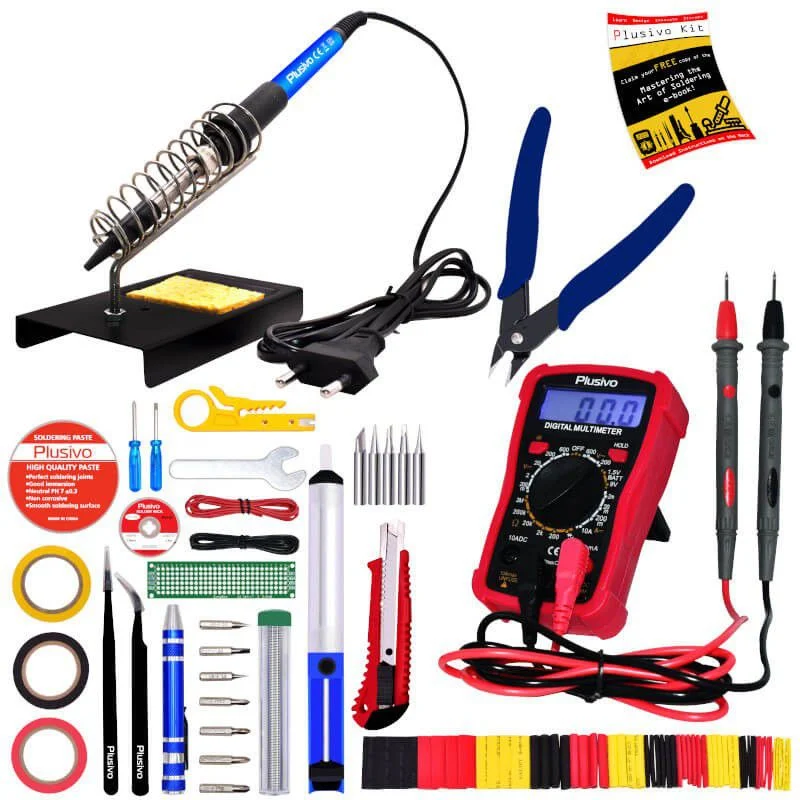
Professional PCB repair requires specialized cleaning and soldering tools.
| Tool | Purpose |
|---|---|
| Isopropyl Alcohol (IPA) | Removes contamination and light oxidation |
| Soft ESD Brush | Cleans delicate circuit areas |
| Fiberglass Pen | Removes stubborn corrosion layers |
| Hot Air Station | Safely removes electronic components |
| Soldering Iron | Rebuilds damaged solder joints |
| Copper Repair Tape | Restores broken pads or traces |
| Multimeter | Tests continuity and resistance |
Advanced repair laboratories may also use microscopes, ultrasonic cleaning equipment, and ionic contamination testing systems.
8. Step-by-Step PCB Corrosion Repair Process
For light corrosion or oxidation, engineers typically follow this repair workflow.
Step 1 – Power Isolation
Disconnect the device from all power sources and discharge any stored energy in capacitors.
Step 2 – Visual Inspection
Use magnification to identify corrosion sites, damaged solder joints, and broken copper traces.
Step 3 – Chemical Cleaning
Apply isopropyl alcohol or specialized PCB cleaning solvent and gently scrub contaminated areas.
Step 4 – Mechanical Removal
Use a fiberglass pen or micro-abrasive tool to remove corrosion layers from copper surfaces.
Step 5 – Rinse and Dry
Clean away any residue and allow the PCB to dry completely before testing.
Step 6 – Electrical Testing
Use a multimeter to verify electrical continuity and ensure that repaired traces are functioning correctly.
9. Repair Techniques for Severe Corrosion Damage
When corrosion has already damaged copper conductors or pads, deeper repair techniques are required.
Trace Reconstruction
Broken traces can be restored using jumper wires, copper foil tape, or conductive epoxy.
Pad Repair
Damaged solder pads may be rebuilt using specialized PCB pad repair kits or copper patches.
Component Replacement
If corrosion reaches component leads, the damaged components should be desoldered, the pads cleaned, and replacement components installed.
Protective Coating
After completing repairs, applying conformal coating helps protect the PCB from future environmental exposure.
Common conformal coatings include acrylic, silicone, and polyurethane materials.
10. Engineering Methods to Prevent PCB Corrosion
Preventing corrosion is far easier and more cost-effective than repairing it.
Environmental Control
Maintain humidity levels below 50 percent and avoid rapid temperature fluctuations that can cause condensation.
Clean Manufacturing Processes
Remove flux residues and contaminants after soldering using solvent cleaning or ultrasonic cleaning.
Protective Coatings
Apply conformal coating for PCBs operating in harsh environments such as marine equipment, industrial machinery, or outdoor electronics.
Proper Storage
Unassembled PCBs should be stored in moisture barrier bags with desiccants or vacuum packaging to prevent oxidation during storage.
FAQ
What is the most common cause of PCB corrosion?
The most common cause is humidity combined with ionic contamination. Moisture and contaminants form an electrolyte that enables electrochemical reactions on the PCB surface.
Can oxidized PCBs still work?
Yes, lightly oxidized PCBs may still operate normally. However oxidation increases resistance and can reduce long-term reliability.
Is PCB corrosion repairable?
In many cases corrosion can be repaired. Light corrosion can be cleaned, while severe damage may require trace reconstruction or component replacement.
Which PCB surface finish resists corrosion best?
ENIG is generally considered one of the most corrosion-resistant PCB finishes because its gold layer prevents oxidation while the nickel barrier protects the underlying copper.
Conclusion
PCB corrosion is an electrochemical degradation process that threatens the reliability of electronic systems. Moisture, ionic contamination, and environmental pollutants accelerate the corrosion of copper traces and solder joints.
Understanding corrosion mechanisms, implementing proper inspection and repair procedures, and applying preventive design strategies can significantly extend the lifespan of electronic products. Proper storage, contamination control, and protective coatings remain the most effective long-term solutions for minimizing PCB corrosion risks.