



Q1 2026 Memory Market Engineering Analysis
Q1 2026 represents a structural turning point in the global memory industry. Driven by accelerated AI infrastructure deployment, High Bandwidth Memory (HBM) production has absorbed a disproportionate share of advanced-node wafer capacity at manufacturers such as Samsung Electronics, SK Hynix, and Micron Technology.
This capacity reallocation has triggered a supply compression effect across conventional DRAM (DDR4/DDR5) and NAND Flash segments. According to projections from TrendForce, Q1 2026 DRAM contract prices are expected to rise 55–60% quarter-over-quarter, while NAND Flash prices may increase 33–38%, with enterprise SSDs exceeding 40% growth.
This article provides an engineering-driven analysis of:
- The structural mechanics behind HBM-induced supply displacement
- The downstream impact on DDR4, DDR5, and enterprise SSD markets
- Why a near-term price correction is unlikely
- A procurement risk mitigation framework for OEMs and system designers
The current environment should not be interpreted as cyclical volatility, but rather as a fundamental re-prioritization of global memory allocation toward AI infrastructure.
Table of Contents
- Executive Summary
- HBM Capacity Reallocation: The Structural Driver
- DDR4 & DDR5 Supply Compression
- NAND Flash & Enterprise SSD Escalation
- 2026 Market Outlook
- Strategic Procurement Framework
- FAQ
- Conclusion
Executive Summary
Q1 2026 marks a structural inflection point in the global memory industry. DRAM contract prices are forecast to rise 55–60% QoQ, while certain server-grade modules have already exceeded 60% sequential increases. NAND Flash is following with 33–38% contract price expansion.
This is not cyclical volatility. It is structural capacity reallocation toward High Bandwidth Memory (HBM), driven by AI infrastructure expansion led by companies such as NVIDIA.
The consequence is clear: conventional DRAM and NAND supply elasticity has collapsed.
HBM Capacity Reallocation: The Structural Driver
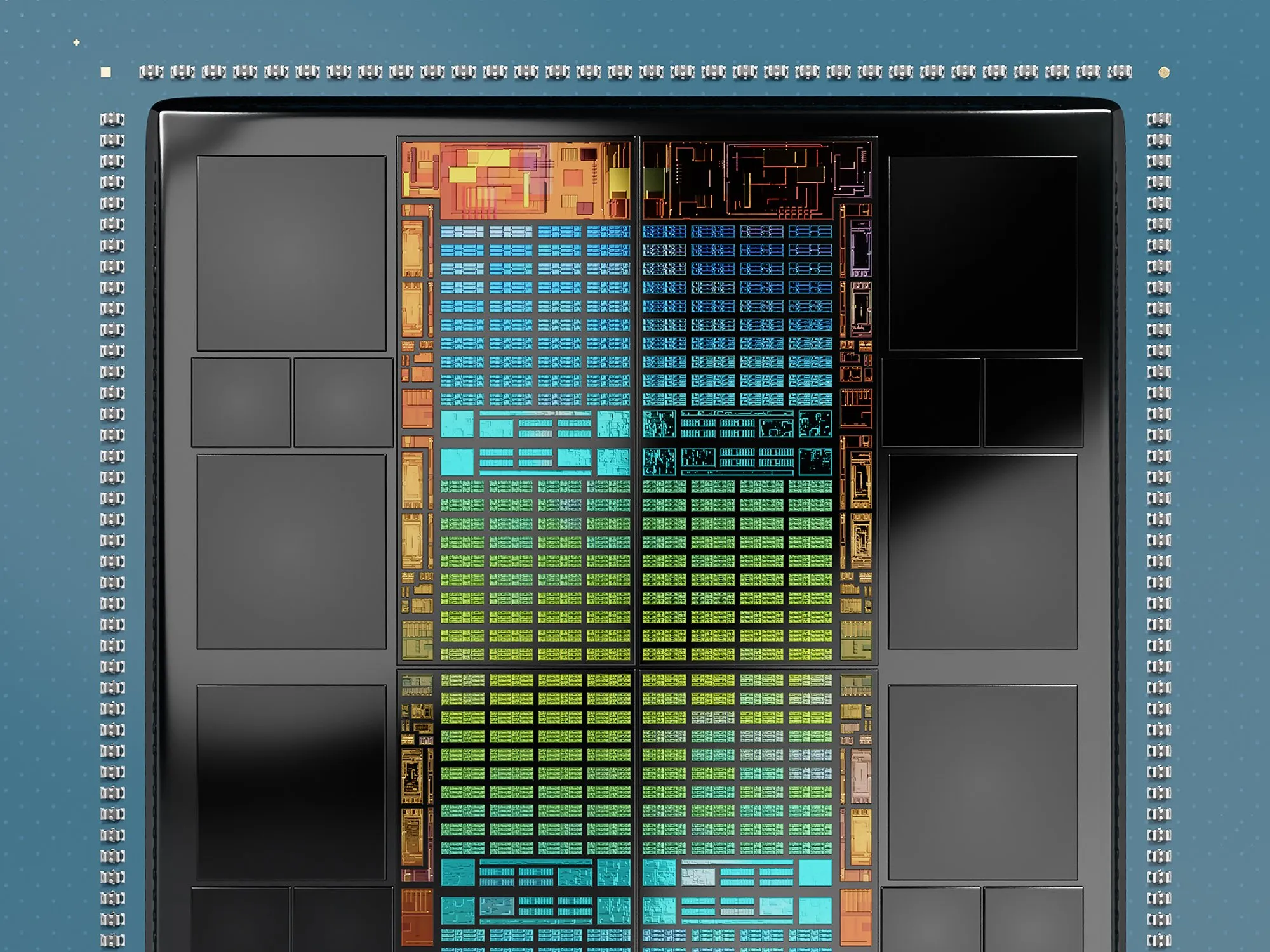
The core catalyst behind the Q1 surge is HBM production expansion. Memory manufacturers including:
- Samsung Electronics
- SK Hynix
- Micron Technology
have reallocated advanced-node wafer capacity toward HBM.
HBM production consumes significantly more wafer area and packaging throughput per bit compared to commodity DRAM. Industry analysis indicates that producing one bit of HBM may displace roughly three bits of conventional DRAM output.
This 3:1 displacement effect is the structural reason conventional DRAM supply is tightening.
DDR4 & DDR5 Supply Compression
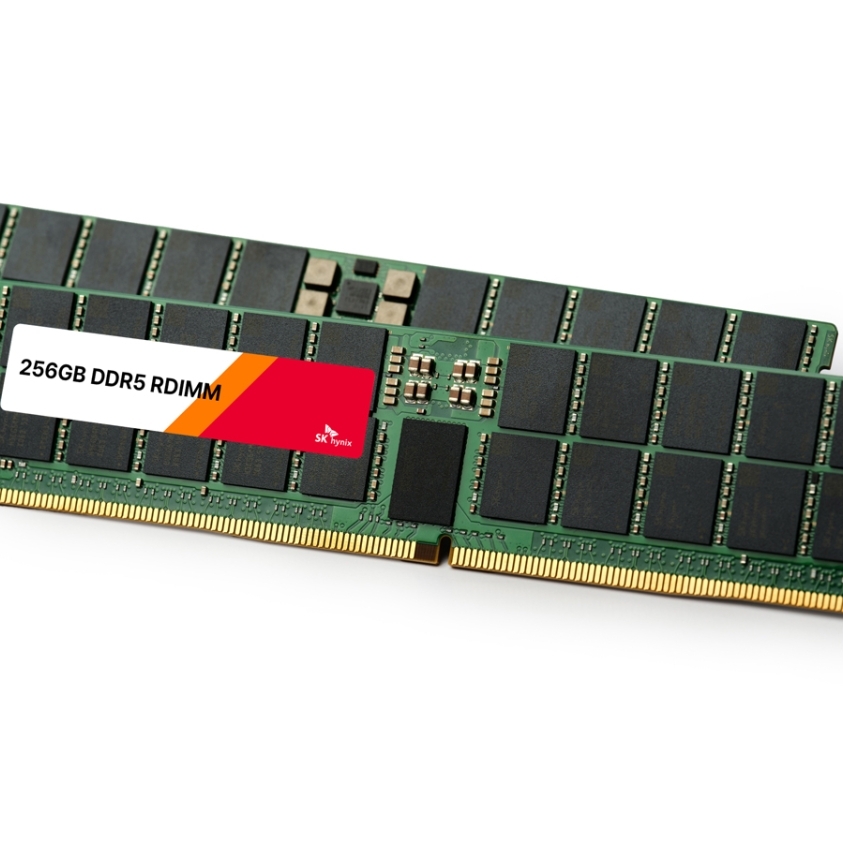
According to TrendForce, Q1 2026 DRAM contract prices are projected to rise 55–60% QoQ.
Key drivers include:
- Hyperscale annual capacity lock-ins
- Reduced output of legacy nodes
- Spot market premium inversion
DDR4 pricing continues to rise not because demand is accelerating, but because production lines are migrating toward higher-margin technologies such as HBM and DDR5.
NAND Flash & Enterprise SSD Escalation
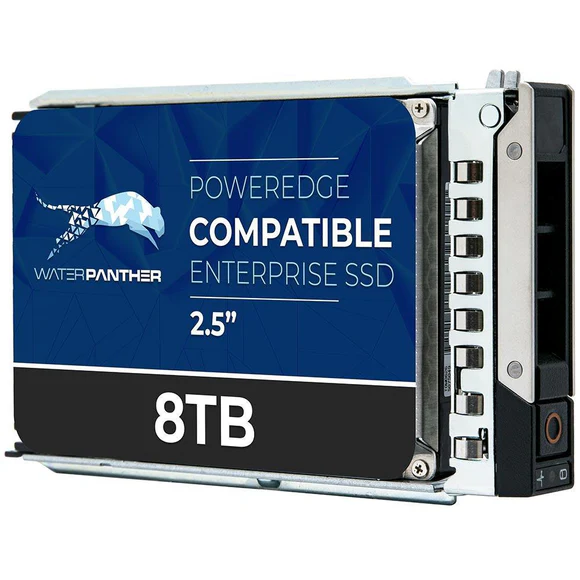
NAND contract pricing is forecast to increase 33–38% QoQ, with enterprise SSD segments exceeding 40%.
Data centers are projected to consume up to 70% of global memory output in 2026. Enterprise SSDs (4TB / 8TB / 16TB) are particularly constrained due to AI dataset scale and storage density optimization.
2026 Market Outlook
A short-term correction is unlikely due to:
- Multi-year fab expansion cycles
- Advanced packaging bottlenecks (CoWoS, TSV)
- Structural AI infrastructure investment
Memory allocation is increasingly structural rather than cyclical.
Strategic Procurement Framework
1. Lock Forward Capacity
Plan at least two quarters ahead and secure allocation before peak demand periods.
2. Multi-Vendor Validation
Avoid single-source exposure. Validate compatibility across multiple suppliers.
3. BOM Flexibility
Pre-qualify density and die alternatives where PCB design allows flexibility.
4. Inventory Risk Modeling
Reassess safety stock assumptions under structural volatility conditions rather than legacy lean models.
FAQ
Q1: Will DRAM prices continue rising?
Upward pressure is likely through mid-2026 given current HBM allocation patterns and hyperscale demand.
Q2: Why is DDR4 rising despite maturity?
Production is being deprioritized in favor of higher-margin technologies, reducing supply while installed-base demand persists.
Q3: Are enterprise SSD shortages temporary?
Unlikely in the near term due to structural AI-driven storage demand and packaging constraints.
Conclusion
Q1 2026 represents a structural shift in memory allocation dynamics rather than a temporary spike.
Engineers and procurement leaders must adapt to:
- Elevated pricing floors
- Allocation-driven supply constraints
- Longer lead times
- Structural demand from AI infrastructure
The memory industry has entered a new operating regime. Strategic planning is now essential.