



Tantalum Capacitors: Structure, Working Principle, and Applications
Tantalum capacitors are solid-state electrolytic capacitors widely used in modern electronic devices due to their high capacitance density, stable electrical performance, and compact size. This article provides a technical overview of tantalum capacitors, covering their structure, working principle, materials, electrical characteristics, advantages and limitations, failure modes, comparison with ceramic capacitors, and typical applications. The goal is to help engineers make informed design and selection decisions.
Table of Contents
- What Is a Tantalum Capacitor
- Basic Structure of a Tantalum Capacitor
- Working Principle of Tantalum Capacitors
- Materials Used in Tantalum Capacitors
- Electrical Characteristics
- Advantages and Limitations
- Failure Modes
- Tantalum vs Ceramic Capacitors
- Applications
- FAQ
- Conclusion
What Is a Tantalum Capacitor
A tantalum capacitor is a solid-state electrolytic capacitor in which the anode is made of tantalum metal. A thin layer of tantalum pentoxide (Ta₂O₅) forms on the surface, serving as the dielectric to store electrical charge.
This ultra-thin dielectric allows high capacitance in a compact form factor, making it ideal for space-constrained applications. The porous structure of the tantalum anode increases the surface area, while a solid electrolyte—typically manganese dioxide or conductive polymer—forms the cathode.
Figure 1: Tantalum Capacitor Overview
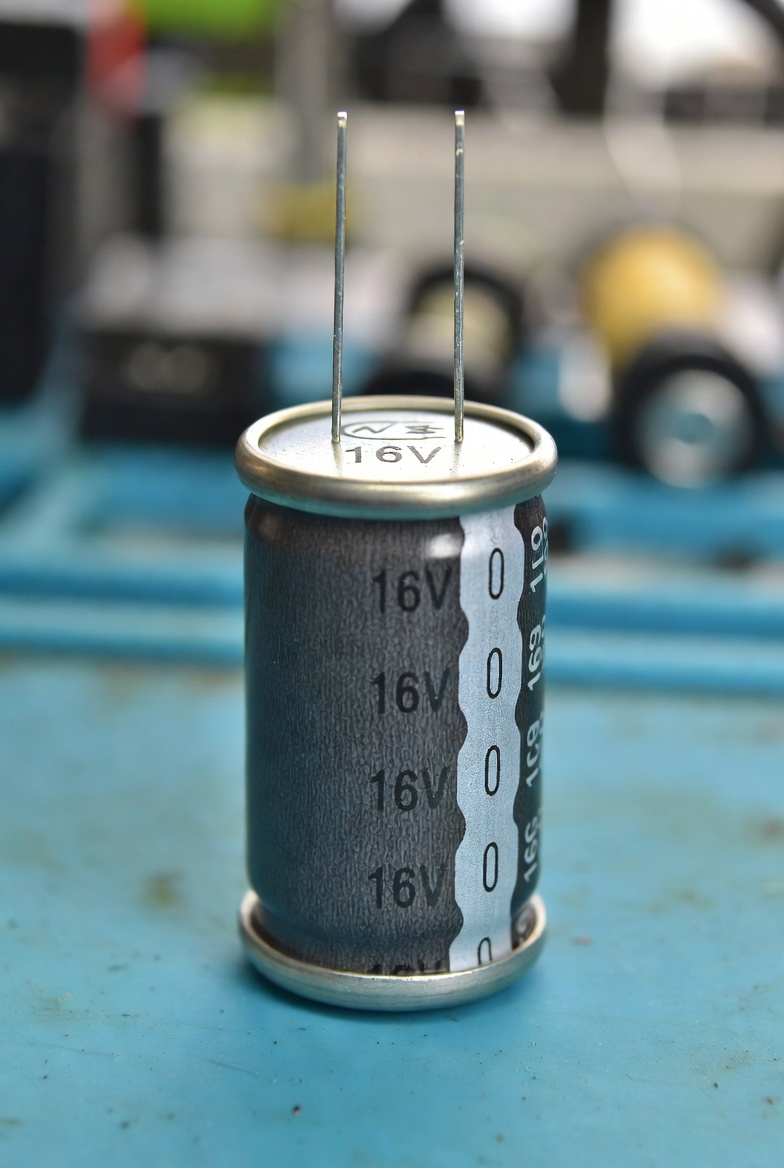
Tantalum capacitors provide low leakage current, high stability, and reliable performance, making them suitable for power supply filtering, energy storage, and signal coupling in consumer electronics, communications, and computing devices.
Basic Structure of a Tantalum Capacitor
The internal structure of a tantalum capacitor is designed to maximize capacitance and reliability:
-
Anode: Porous tantalum pellet providing large surface area
-
Dielectric: Thin tantalum pentoxide layer separating anode and cathode
-
Cathode: Solid electrolyte (MnO₂ or conductive polymer)
-
External Electrodes: Graphite and silver layers connecting internal structure to terminals
-
Encapsulation: Epoxy resin protecting against moisture, dust, and mechanical damage
Figure 2: Internal Structure of a Tantalum Capacitor
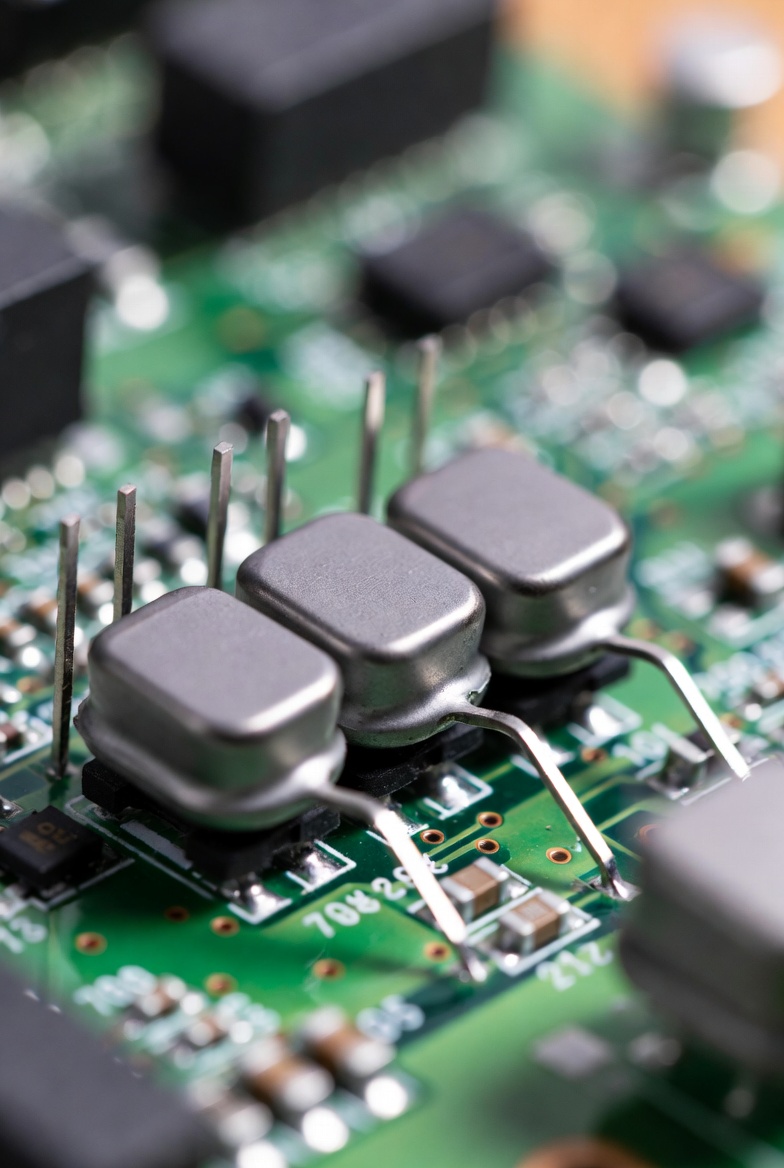
This design allows high capacitance in a small footprint while maintaining stability.
Working Principle of Tantalum Capacitors
A tantalum capacitor stores electrical energy in the thin dielectric layer between anode and cathode. When voltage is applied:
Charges accumulate on both sides of the dielectric
Energy is stored in the electric field
The solid electrolyte transfers electrons to external terminals when energy is released
This process stabilizes voltage and filters signals in electronic circuits. Correct polarity must be observed; reverse connection can damage the dielectric.
Figure 3: Tantalum Capacitor Working Principle
Materials Used in Tantalum Capacitors
-
Tantalum Metal: Porous sintered powder forms the anode, providing large surface area
-
Tantalum Pentoxide (Ta₂O₅): Ultra-thin dielectric with high permittivity
-
Solid Electrolyte: MnO₂ for high-temperature stability or conductive polymer for low ESR
-
Graphite + Silver Layers: Ensure conductivity to external terminals
-
Epoxy Resin: Encapsulation for environmental protection
Electrical Characteristics
Capacitance and Temperature Dependence
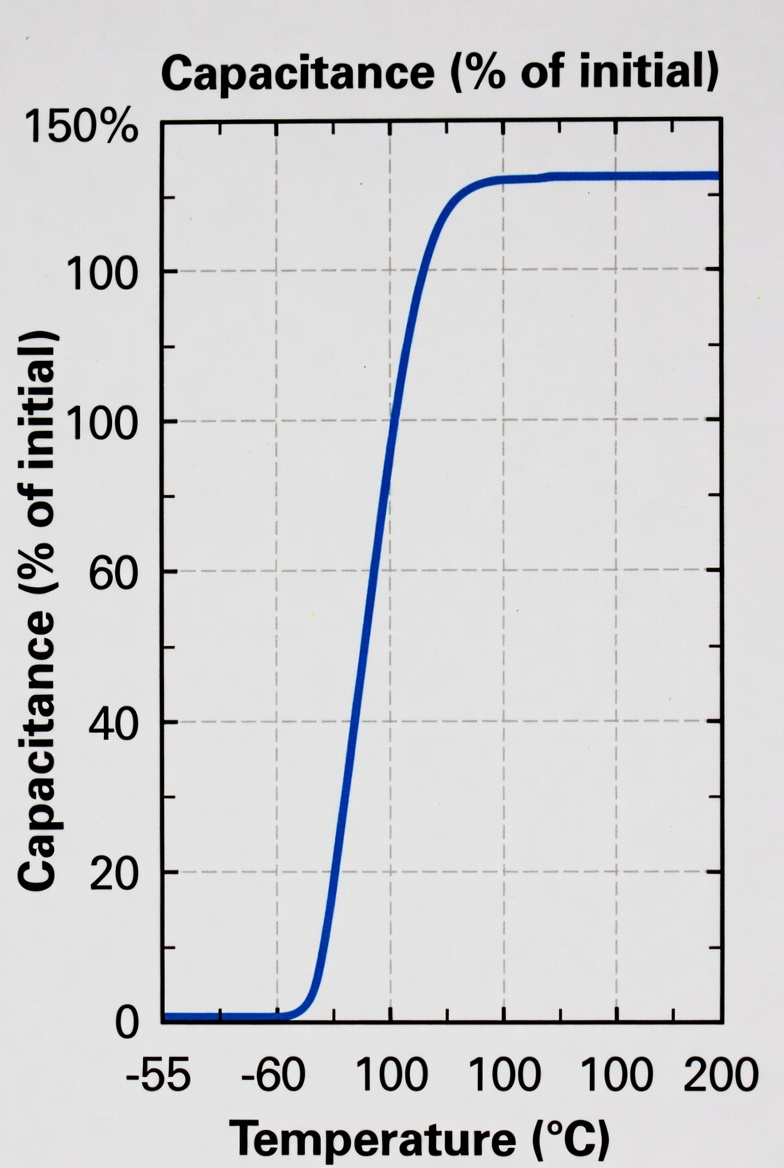
Capacitance is proportional to anode surface area and inversely proportional to dielectric thickness. Porous anode and thin dielectric enable high capacitance in compact devices. Temperature has minimal effect on capacitance, providing stability across a wide operating range.
Figure 4: Capacitance vs Temperature
Dissipation Factor (DF)
DF measures energy loss as heat during operation. A lower DF indicates higher efficiency, which is critical for high-performance circuits.
Leakage Current
Leakage current is the small current passing through the dielectric. Tantalum capacitors typically have very low leakage, ensuring stable performance.
Equivalent Series Resistance (ESR)
ESR represents internal resistance that limits current flow. Low ESR allows faster response and better current handling, while high ESR reduces efficiency and increases heat generation.
Voltage Rating
Voltage rating depends on dielectric thickness. Selecting a capacitor with voltage rating above the operating voltage ensures long-term reliability.
Advantages and Limitations
Advantages:
-
High capacitance in small packages
-
Stable performance over time and temperature
-
Low leakage current and high reliability
Limitations:
-
Sensitive to overvoltage and polarity errors
-
Higher cost compared to other types
-
May fail under high surge current or stress
Failure Modes
-
Dielectric Breakdown: Overvoltage damages Ta₂O₅ layer
-
Thermal Failure: Excess heat from current or high ambient temperature
-
Reverse Polarity: Dielectric layer destroyed if polarity reversed
-
Short Circuit: Internal defects or dielectric damage may create a conduction path
Tantalum vs Ceramic Capacitors
| Feature | Tantalum | Ceramic |
|---|---|---|
| Capacitance | High in small size | Lower for same size |
| Stability | Long-term stable | May vary with voltage/temperature |
| Polarity | Polarized | Non-polarized |
| Leakage | Very low | Slightly higher |
| Size | Compact, high capacitance | Very small for low capacitance |
| Cost | Higher | Lower |
| Stress tolerance | Sensitive to surge/overvoltage | More tolerant |
Applications
-
Power Supply Filtering: Reduces ripple and stabilizes voltage
-
Energy Storage: Releases stored energy when needed
-
Signal Coupling/Decoupling: Pass AC signals while blocking DC
-
Consumer Electronics: Smartphones, laptops, tablets
-
Communication Systems: Network equipment, base stations
-
Automotive Electronics: Vehicle control modules and sensors
FAQ
Q1: Can tantalum capacitors handle transient overvoltage? A: No, overvoltage may break down the dielectric, causing short circuits. External protection is recommended.
Q2: How do tantalum capacitors compare to aluminum electrolytics? A: Tantalum capacitors are smaller, more stable, and longer-lasting; aluminum types handle higher capacitance and power but are less compact.
Q3: Why is polarity important? A: Reverse polarity destroys the dielectric and may lead to thermal failure or short circuit.
Q4: Difference between MnO₂ and polymer tantalum capacitors? A: Polymer types have lower ESR, suitable for high-speed circuits; MnO₂ is more temperature-stable for high-temperature applications.
Conclusion
Tantalum capacitors provide high capacitance, stability, and compact size, making them essential for modern electronic designs. Understanding their structure, materials, electrical properties, and failure mechanisms enables engineers to select the right device for high-performance, reliable applications.