



OLED vs LCD: Complete Display Technology Comparison Guide for Engineers and Product Designers (2026)
When selecting display technology for your next product design, the choice between OLED (Organic Light-Emitting Diode) and LCD (Liquid Crystal Display) impacts performance, cost, and user experience. This technical comparison guide helps engineers, product designers, and procurement teams make informed decisions based on application requirements, performance parameters, and supply chain considerations.
Table of Contents
- Introduction
- Key Technical Parameters Explained
- Performance Comparison Analysis
- Application-Specific Selection Guide
- Design Considerations and Common Pitfalls
- Supply Chain and Sourcing Factors
- FAQ
- Conclusion
1. Introduction
The OLED vs LCD debate remains one of the most critical decisions in display technology selection for consumer electronics, automotive displays, medical devices, and industrial HMI applications. While LCD technology has dominated the market for decades with proven reliability and cost-effectiveness, OLED offers superior contrast ratios, faster response times, and design flexibility enabling new product form factors. This guide examines critical parameters including brightness uniformity, power consumption under different usage patterns, viewing angle specifications, operational temperature ranges, and long-term reliability metrics.
2. Key Technical Parameters Explained
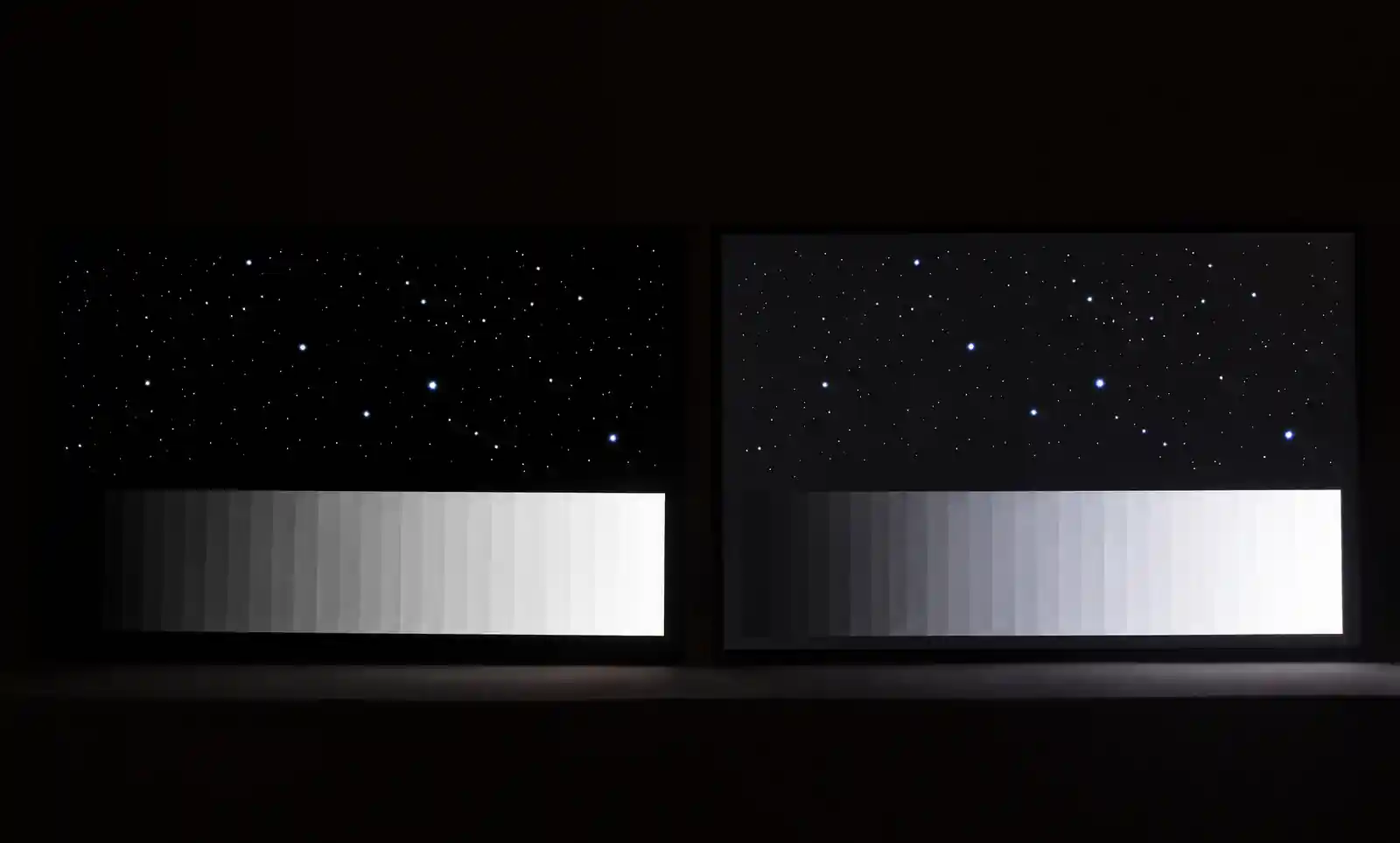
Contrast Ratio and Black Level: OLED achieves true black by turning off individual pixels, delivering contrast ratios exceeding 1,000,000:1. LCD relies on backlight modulation, typically achieving 1,000:1 to 5,000:1 for standard IPS panels (20,000:1 with mini-LED). OLED's pixel-level control eliminates backlight bleed, critical for medical imaging and precision instrumentation.
Response Time and Motion Handling: OLED pixels transition in 0.1-1ms (grey-to-grey under 0.2ms), eliminating motion blur. LCD varies by panel technology: TN: 1-5ms, IPS: 4-8ms (gaming) to 12-20ms (standard), VA: 5-12ms. Verify whether manufacturers quote grey-to-grey or black-to-white response times.
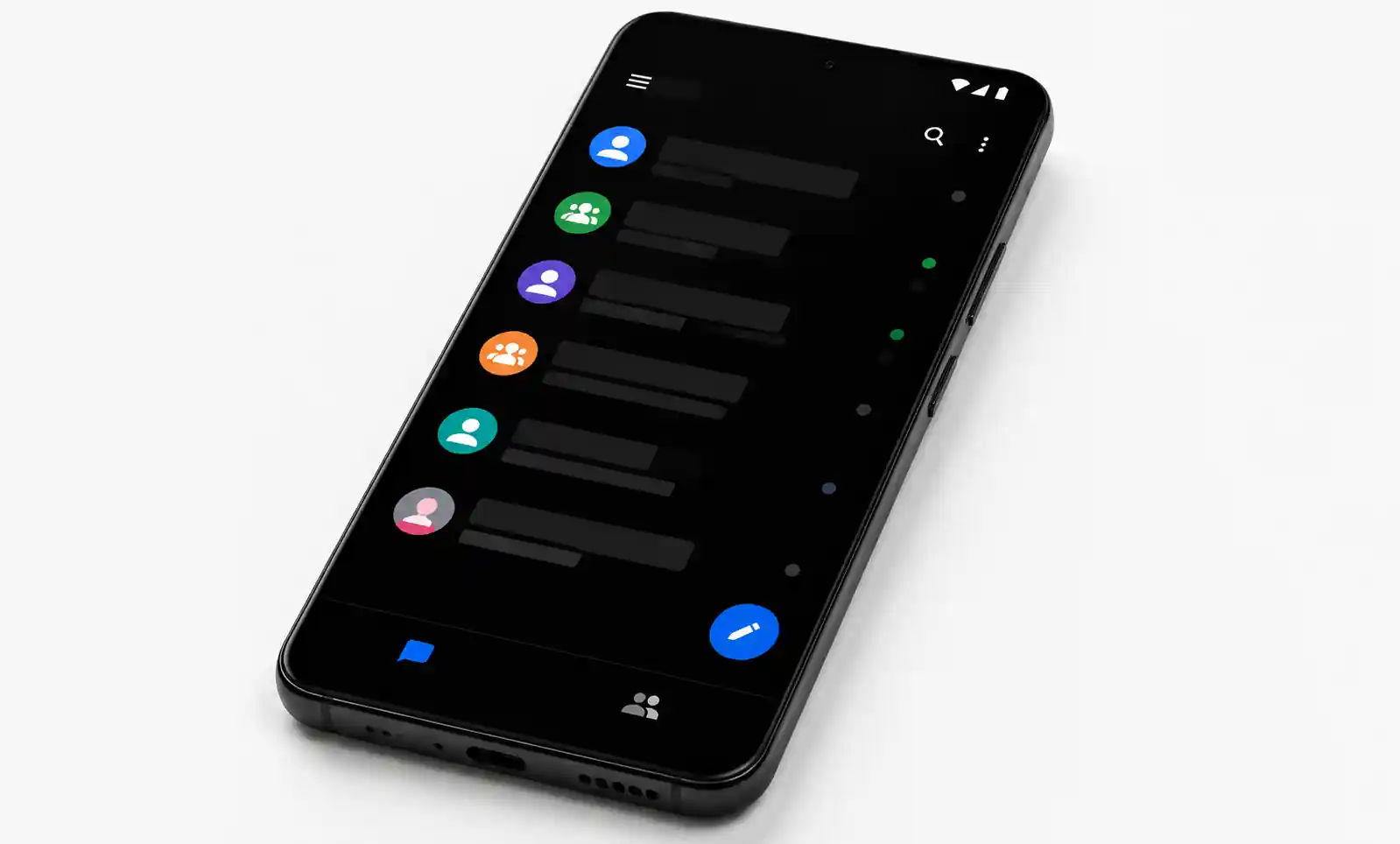
Power Consumption Characteristics: LCD consumes relatively constant power regardless of content (400-800mW for 6" panel at 50% brightness). OLED power correlates with pixel activation—dark content (<30% APL) reduces to 150-300mW; full white screens can reach 1,200-1,800mW, exceeding LCD by 50-150%. OLED ideal for dark UI themes; LCD more efficient for continuously bright content.
Brightness and Outdoor Visibility: High-end LCD achieves 800-1,500 nits sustained (2,000 nits transient). OLED delivers 400-800 nits full-screen (1,200-1,500 nits peak for <10% screen area). LCD brightness drops 15-25% from 25°C to -30°C; OLED shows less temperature dependency but requires compensatory drive current for color accuracy at temperature extremes.
3. Performance Comparison Analysis
Table 1: Technical Specification Comparison
| Parameter | LCD (IPS) | OLED | Engineering Impact |
|---|---|---|---|
| Contrast Ratio | 1,000:1 – 5,000:1 | >1,000,000:1 | OLED eliminates backlight bleed for precision imaging |
| Response Time | 4-20ms (grey-to-grey) | 0.1-1ms | OLED provides blur-free motion for fast graphics |
| Peak Brightness | 800-1,500 nits (sustained) | 400-800 nits (full screen) | LCD better for outdoor/high-ambient light |
| Power (Dark Content) | 400-800mW (6" panel) | 150-300mW | OLED efficiency advantage with dark UI |
| Power (Bright Content) | 400-800mW | 1,200-1,800mW | LCD more efficient for bright content |
| Viewing Angle | 178° (with IPS) | 180° | Equivalent for most applications |
| Thickness | 2.5-4mm (module) | 0.8-1.5mm | OLED enables thinner product designs |
| Lifetime | 50,000-100,000 hours | 20,000-40,000 hours | LCD advantage for 24/7 operation |
| Operating Temperature | -30°C to 80°C | -20°C to 70°C | LCD wider for automotive/industrial |
| Use Case | LCD Score | OLED Score | Determining Factors |
|---|---|---|---|
| Smartphone | 7/10 | 9/10 | OLED wins on contrast, thinness, always-on efficiency |
| Automotive Dashboard | 8/10 | 6/10 | LCD's brightness, temperature range, lifetime critical |
| Smartwatch/Wearable | 6/10 | 9/10 | OLED's power efficiency with dark UI, thin profile |
| Medical Imaging | 7/10 | 9/10 | OLED's true black, infinite contrast critical |
| Industrial HMI | 9/10 | 5/10 | LCD's lifetime, stability, wide temperature range |
| VR Headset | 6/10 | 9/10 | OLED's response time, contrast eliminate motion artifacts |
| Outdoor Signage | 9/10 | 4/10 | LCD's sustained high brightness, sunlight readability |
| Laptop/Monitor | 8/10 | 8/10 | Both viable; depends on budget and content type |
4. Application-Specific Selection Guide
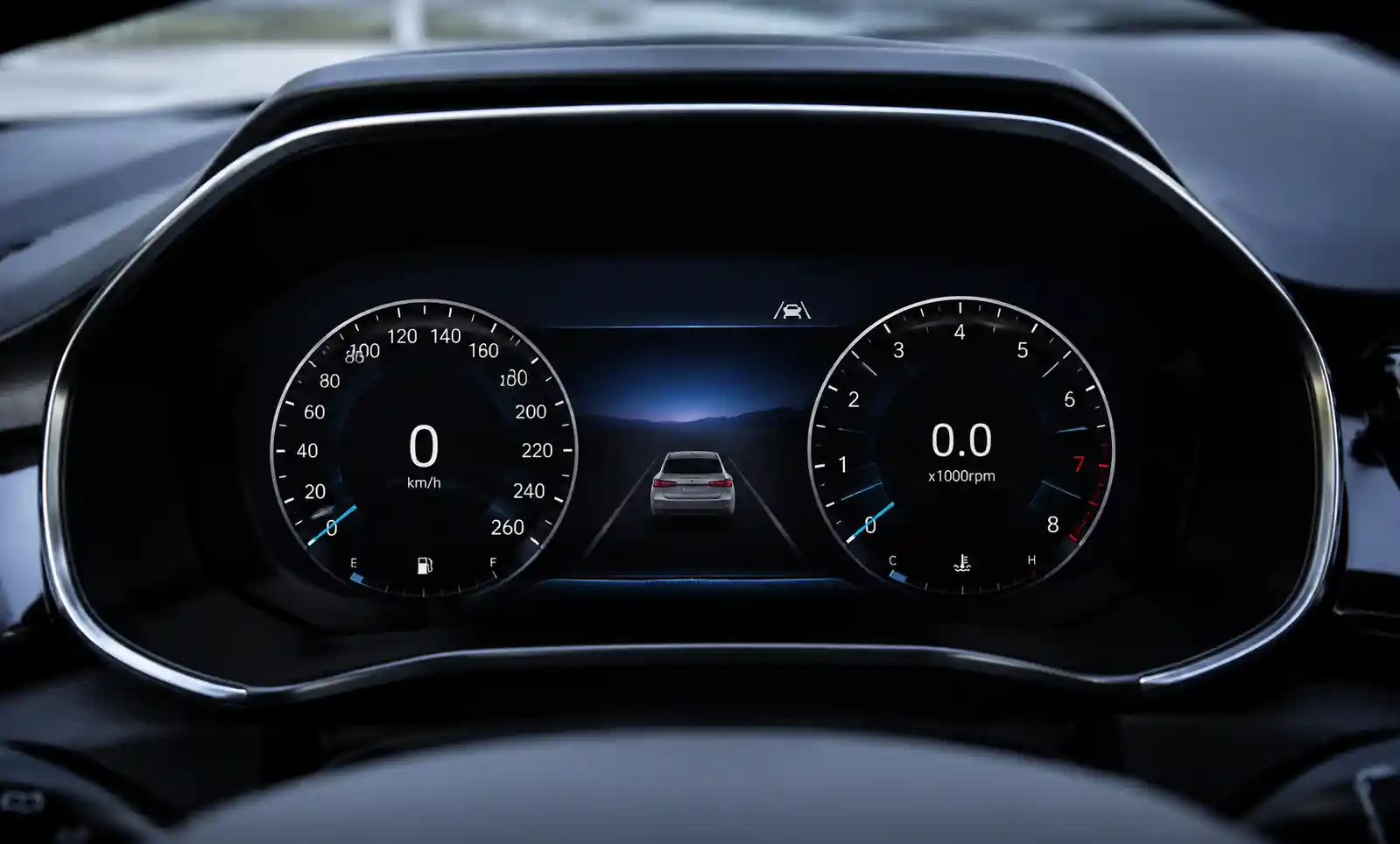
Automotive Displays: Primary driver information (instrument cluster) favors LCD for reliability and environmental performance. For OLED, verify AEC-Q100 qualification, sustained operation at 85°C with direct sunlight, brightness uniformity across -40°C to 85°C, and thermal cycling resistance. OLED automotive panels cost 2-3× equivalent LCD. Infotainment systems benefit from OLED's contrast for dark mode navigation; implement burn-in mitigation through pixel shifting, varying status bar positions, and automatic brightness reduction for static content.
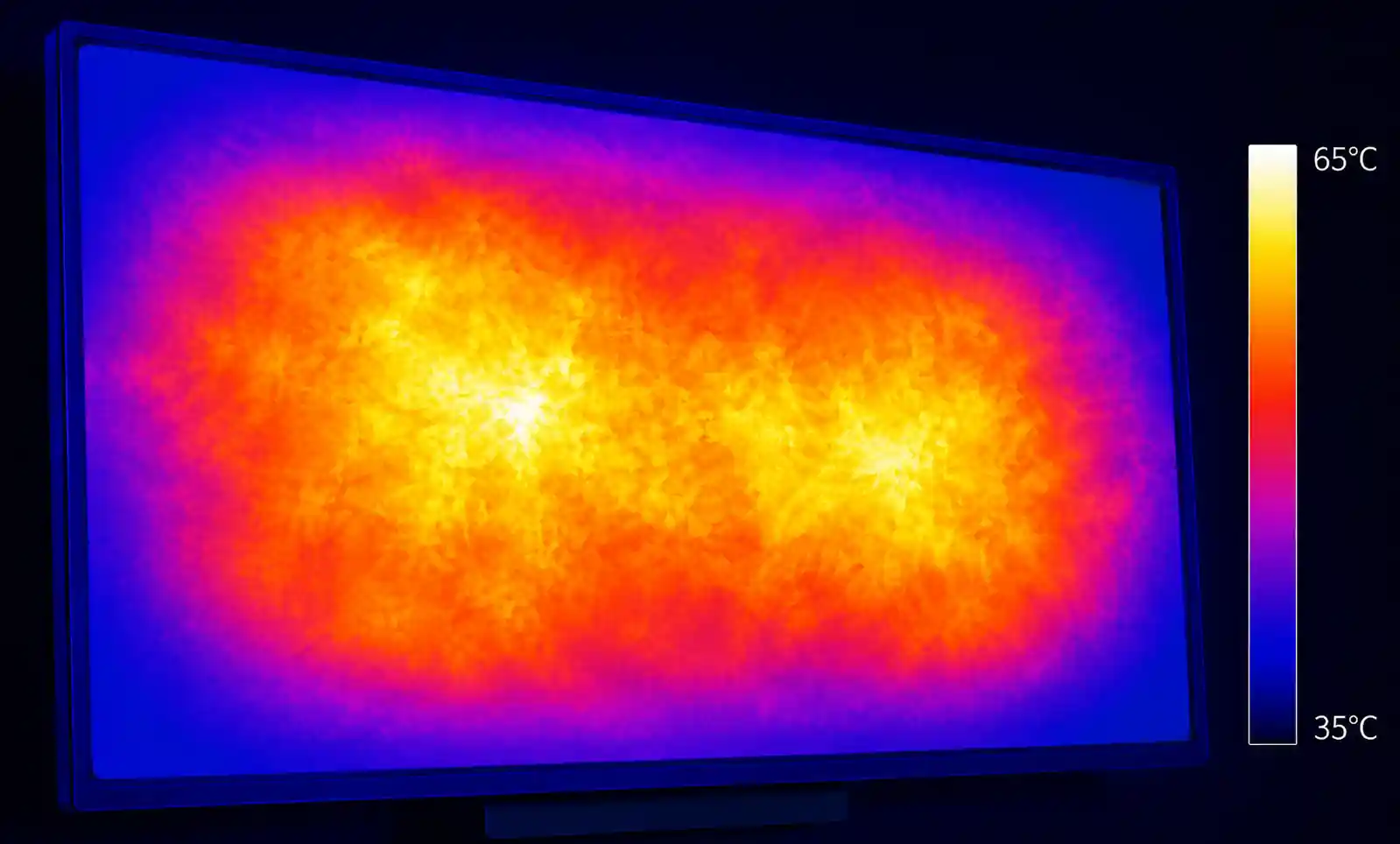
Consumer Electronics: Smartphones favor OLED for always-on displays (30-50mW typical) and under-display fingerprint sensors. Thermal management is critical—OLED heat distributes across active pixels. Implement automatic brightness limiting (ABL) for sustained video/gaming. Dark UI themes extend battery life by 15-30%; bright content may reduce runtime by 10-20% vs LCD. Profile expected usage patterns during design.
Industrial and Medical: LCD dominates for longevity (50,000+ hours), wider temperature ranges, and multiple sourcing options. OLED benefits inspection equipment (true black for contrast), control rooms, and wearable industrial devices. Medical diagnostic displays require DICOM Part 14 compliance and periodic recalibration every 500-1,000 hours.
5. Design Considerations and Common Pitfalls
Burn-In Prevention: Organic degradation occurs primarily in blue subpixels requiring higher drive current. Implement pixel compensation algorithms (correct 15-25% variation), pixel shifting (1-3 pixels every 5-10 minutes), reduce brightness for static UI elements by 20-30%, and use automatic screensavers for idle periods exceeding 30 seconds.
Thermal Management: OLED lifetime halves approximately every 10°C above 40°C junction temperature. Design thermal paths spreading heat across chassis, avoid thermal insulation behind display, and implement temperature monitoring through driver IC, reducing brightness limits when junction temperature exceeds 60°C.
Power Delivery: OLED current ranges from 150mA (dark) to 1,200mA (white). Design supplies with sufficient peak capability and low output impedance to prevent voltage sag. Bulk capacitance of 47-100µF per 1W of OLED power near display connector provides adequate transient reserve.
Common Mistakes: Directly porting LCD brightness control (OLED scales exponentially, not linearly); underestimating content-dependent power variation; inadequate validation across full temperature range (OLED color shift often exceeds LCD, particularly below 0°C).
6. Supply Chain and Sourcing Factors
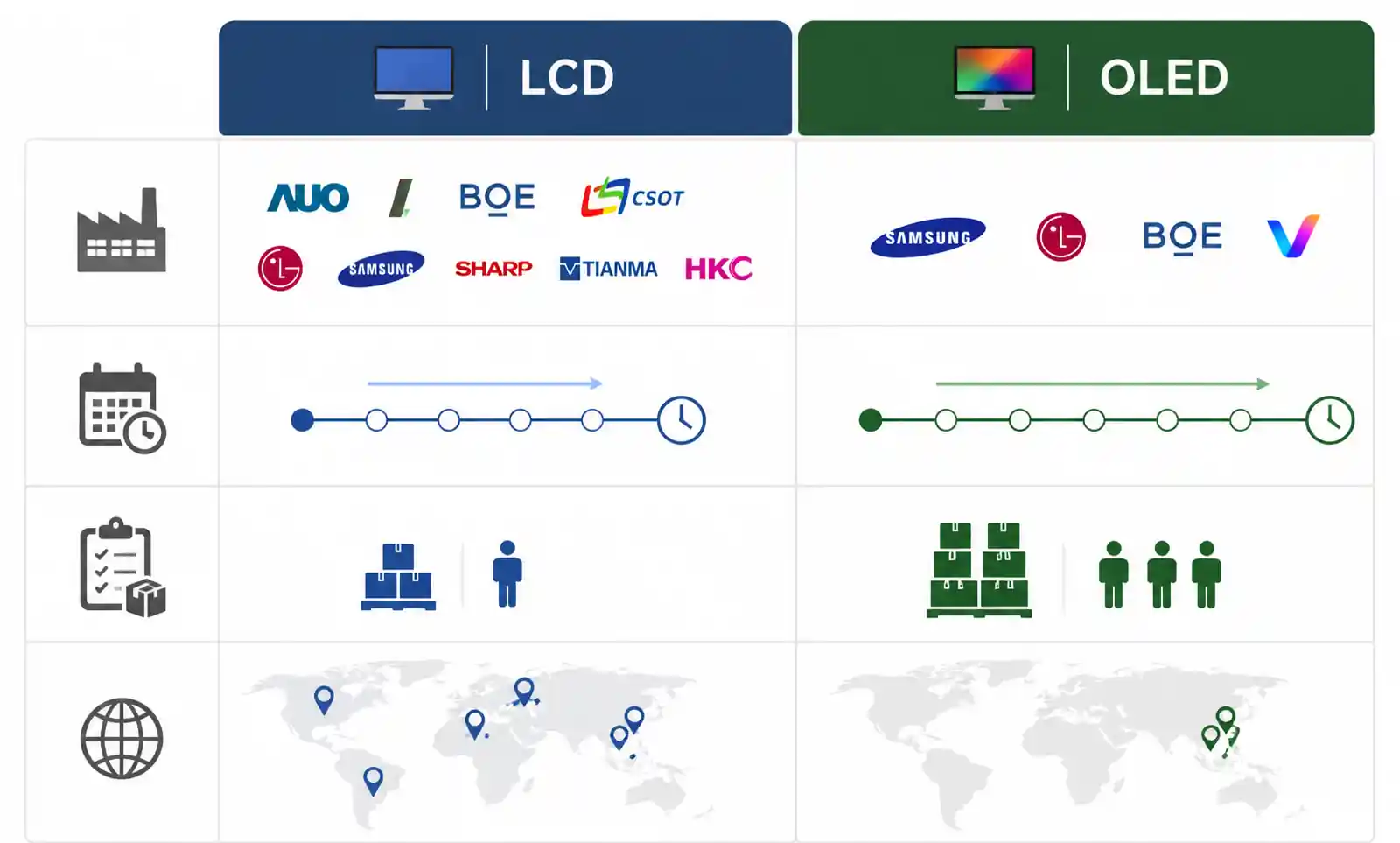
Manufacturing Maturity: LCD offers diverse global suppliers (Korea, China, Taiwan, Japan) with competitive pricing and supply continuity. OLED remains concentrated—Samsung Display dominates small-to-medium OLED, LG Display leads large-format. Chinese manufacturers (BOE, Tianma, Visionox) expanding capacity. Expect 20-40% higher OLED component costs and 16-24 week lead times.
Table 2: Customization and MOQ Considerations
| Aspect | LCD | OLED | Procurement Impact |
|---|---|---|---|
| Standard Panel Availability | Excellent | Good (limited sizes) | LCD offers more off-the-shelf options |
| Custom Size MOQ | 5,000-10,000 units | 30,000-50,000 units | OLED customization requires higher commitment |
| Tooling Costs | $50K-150K | $200K-500K | OLED customization more expensive |
| Development Timeline | 4-6 months | 6-9 months | Longer OLED development cycle |
| Second Source Options | Multiple suppliers | Limited or none | LCD provides supply chain resilience |
| Obsolescence Risk | Low (10+ year lifecycle) | Moderate (3-5 year cycles) | LCD better for long-lifecycle products |
Long-Term Availability: For industrial/automotive projects with extended lifecycles, negotiate 7-10 year lifecycle commitments with price protection, design interfaces to accommodate multiple panel variants, and identify potential replacement panels during initial design. LCD's mature market provides inherently better long-term availability.
7. FAQ
What is the main difference between OLED and LCD?
OLED pixels emit light directly, enabling individual pixel control and true black. LCD pixels block or pass light from a separate backlight, requiring continuous backlight operation.
How do I choose between OLED and LCD?
Rank requirements: sustained brightness (outdoor favors LCD), content type (dark UI favors OLED), lifetime (24/7 favors LCD), temperature range (extreme favors LCD), thickness (thin favors OLED), and budget (LCD typically more cost-effective).
Does OLED suffer from burn-in?
Yes—differential organic material degradation. Modern panels include pixel compensation algorithms. Prevent with pixel shifting, automatic brightness reduction, limiting brightness of persistent UI elements to 60-70%, and screen-off for idle devices. Properly mitigated OLED reliably serves 3-5 year consumer product lifecycles.
Which consumes less power?
Depends on content. OLED consumes 40-60% less for dark content (<30% APL); OLED consumes 50-150% more for bright full-white screens. LCD maintains relatively constant power. Calculate using realistic content mixes.
Can OLED work in automotive applications?
Yes—AEC-Q100 qualified panels exist. Limitations: lower sustained brightness for direct sunlight, shorter lifetime requiring conservative brightness budgets for 15-year service life, and supply concentration. Works best for driver information in controlled lighting; navigation remains LCD.
Typical lifetimes?
LCD: 50,000-100,000 hours. OLED: 20,000-40,000 hours to 50% brightness at maximum rating. Reducing brightness to 50% effectively doubles lifetime.
How do viewing angles compare?
Modern IPS LCD achieves 178° with minimal color shift, essentially matching OLED's 180° for most practical applications.
8. Conclusion
Choose OLED when: Dark UI optimization, thin industrial designs, superior contrast and motion performance are required—despite higher costs and burn-in mitigation requirements. Ideal for smartphones, wearables, medical imaging, and VR.
Choose LCD when: Sustained high brightness, extended operational lifetime, wide temperature ranges, and mature supply chain with competitive sourcing are priorities. Ideal for automotive displays, outdoor signage, 24/7 industrial HMIs, and products requiring extended service life.