



OLED vs LCD: Complete Display Technology Comparison Guide for Product Development (2026)
When specifying display technology for your next product—consumer electronics, industrial equipment, automotive displays, or medical devices—the choice between OLED and LCD directly impacts performance, manufacturing costs, and end-user satisfaction. This guide provides a data-driven comparison to help you make an informed decision.
Table of Contents
- Introduction
- Core Technology Differences
- Performance Comparison by Key Specifications
- Application Scenario Breakdown
- Cost Analysis and TCO
- Design Considerations and Common Mistakes
- Supply Chain and Sourcing
- FAQ
- Conclusion
1. Introduction
Display technology selection affects power consumption, product thickness, outdoor visibility, manufacturing complexity, and total cost of ownership. OLED generates light directly from organic compounds—no backlight required. LCD uses a backlight shining through liquid crystal cells and color filters. This fundamental difference creates cascading effects across every performance parameter. For battery-powered consumer devices, OLED often delivers superior results. For industrial applications requiring high brightness, cost-effective large sizes, or extended lifespans exceeding 50,000 hours, LCD typically proves more practical.
2. Core Technology Differences
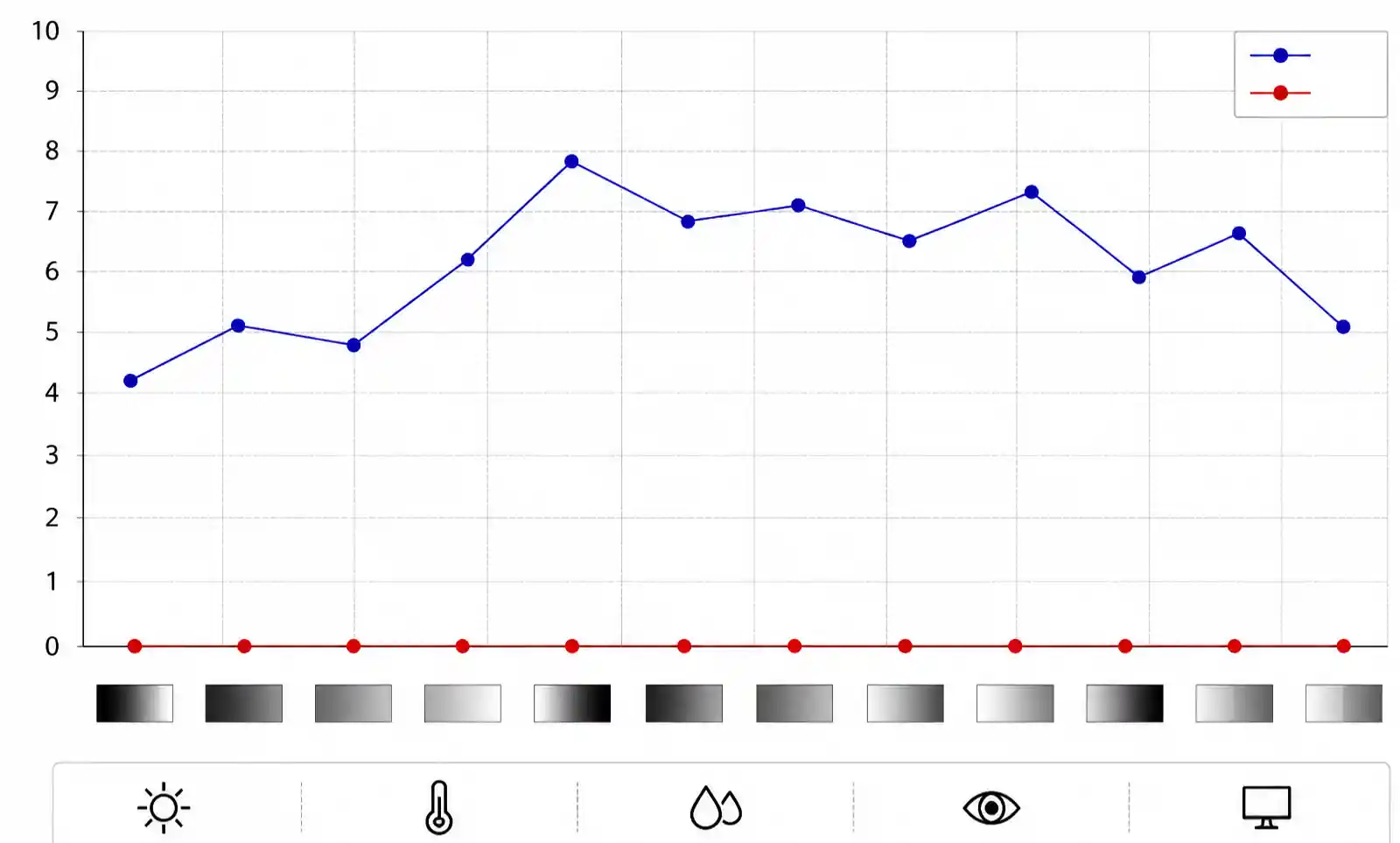
LCD Architecture: Multi-layer structure includes backlight unit, diffuser sheets, polarizing films, TFT array, liquid crystal layer, color filters, and protective glass. Modern LCDs use IPS, VA, or TN liquid crystal modes. Premium implementations use mini-LED backlights with thousands of dimming zones, improving contrast ratios. However, true black requires completely blocking the backlight—physically impossible due to light leakage.
OLED Architecture: Each pixel contains organic compounds emitting red, green, or blue light when voltage is applied. Pixels can be completely turned off, achieving true black with infinite contrast ratio. Two manufacturing approaches: RGB OLED (separate RGB subpixels) and WOLED with color filters (white OLED emission filtered). RGB offers better color purity but faces challenges at larger sizes.
Operational Differences: LCD power consumption correlates with backlight brightness—white and black images consume similar power. OLED power consumption relates to pixel activation—white consumes significantly more than black, enabling dark UI power savings. OLED response times (<0.1ms) effectively eliminate motion blur, ideal for VR/AR and gaming. LCD response times (4-8ms IPS) may show motion blur in fast-moving content.
3. Performance Comparison by Key Specifications
Table 1: Technical Performance Matrix
| Parameter | LCD (IPS) | LCD (VA) | OLED | Measurement Condition |
|---|---|---|---|---|
| Contrast Ratio | 1000:1 to 1500:1 | 3000:1 to 6000:1 | Infinite | Native, no local dimming |
| Peak Brightness | 300-500 nits (standard) 1000-1600 nits (HDR) |
300-500 nits (standard) 1000-1400 nits (HDR) |
400-800 nits (fullscreen) 1000-1500 nits (peak) |
Sustained vs. peak |
| Response Time | 4-8ms (IPS) 2-4ms (fast IPS) |
5-8ms (VA) | <0.1ms | Gray-to-gray transition |
| Viewing Angle | 178° (IPS) | 160-170° (VA) | 180° | At 50% brightness retention |
| Power Consumption | 5-10W (24" @ 200 nits) | 5-10W (24" @ 200 nits) | 3-8W (avg content) 15W+ (white screen) |
Content-dependent |
| Lifespan | 50,000-100,000 hours | 50,000-100,000 hours | 30,000-50,000 hours | To 50% brightness degradation |
| Color Gamut | 95-100% sRGB 70-85% DCI-P3 |
90-100% sRGB 65-80% DCI-P3 |
100% sRGB 95-100% DCI-P3 |
Standard vs. wide gamut |
| Panel Thickness | 4-8mm | 4-8mm | 1-3mm | Excluding housing |
Critical Note on Brightness: OLED peak brightness often cites small-area measurements (10% window). Fullscreen sustained brightness is 400-800 nits. For applications requiring sustained high brightness (outdoor kiosks, automotive dashboards), LCD maintains its advantage.
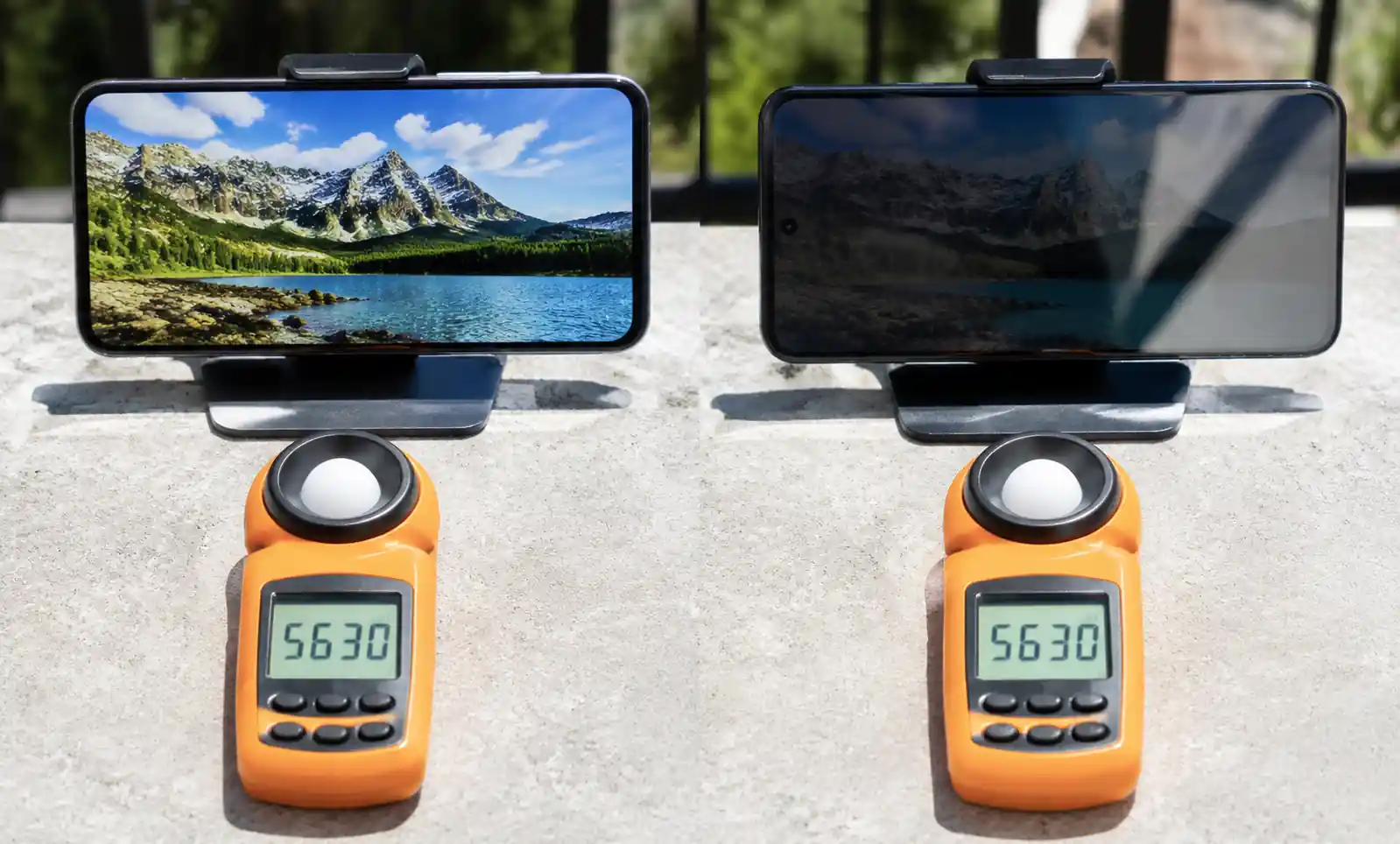
Environmental Performance: LCD: -20°C to 70°C (industrial: -30°C to 80°C). OLED: 0°C to 40°C (consumer), -20°C to 70°C (specialized). LCD maintains consistent performance across extreme temperatures—default choice for automotive, aerospace, and industrial applications. OLED can achieve 1000-2500 nits for sunlight-readable variants; OLED's lower sustained brightness and reflective surface can cause readability issues in bright ambient conditions.
4. Application Scenario Breakdown
Table 2: Application Selection Guide
| Device Category | Recommended Technology | Primary Reason |
|---|---|---|
| Smartphones | OLED | Thin profile, power efficiency with dark UI, HDR, always-on display |
| Tablets | LCD or OLED | LCD for productivity/content creation; OLED for media consumption |
| Laptops | LCD (IPS) | All-day brightness, consistent power, lower cost, longer lifespan |
| TVs (under 55") | OLED | Superior contrast, viewing angles, motion handling |
| TVs (65"+) | LCD or OLED | OLED for home theater; LCD for high-brightness commercial applications |
| Gaming Monitors | LCD (fast IPS) or OLED | LCD for competitive gaming; OLED for immersive single-player |
| Wearables | OLED | Power efficiency (mostly black UI), thin flexible form factors |
| Digital Signage | LCD | 24/7 operation, high brightness, lower cost at large sizes, no burn-in risk |
| Medical Imaging | Medical LCD | Calibrated brightness stability, consistent color accuracy, regulatory compliance |
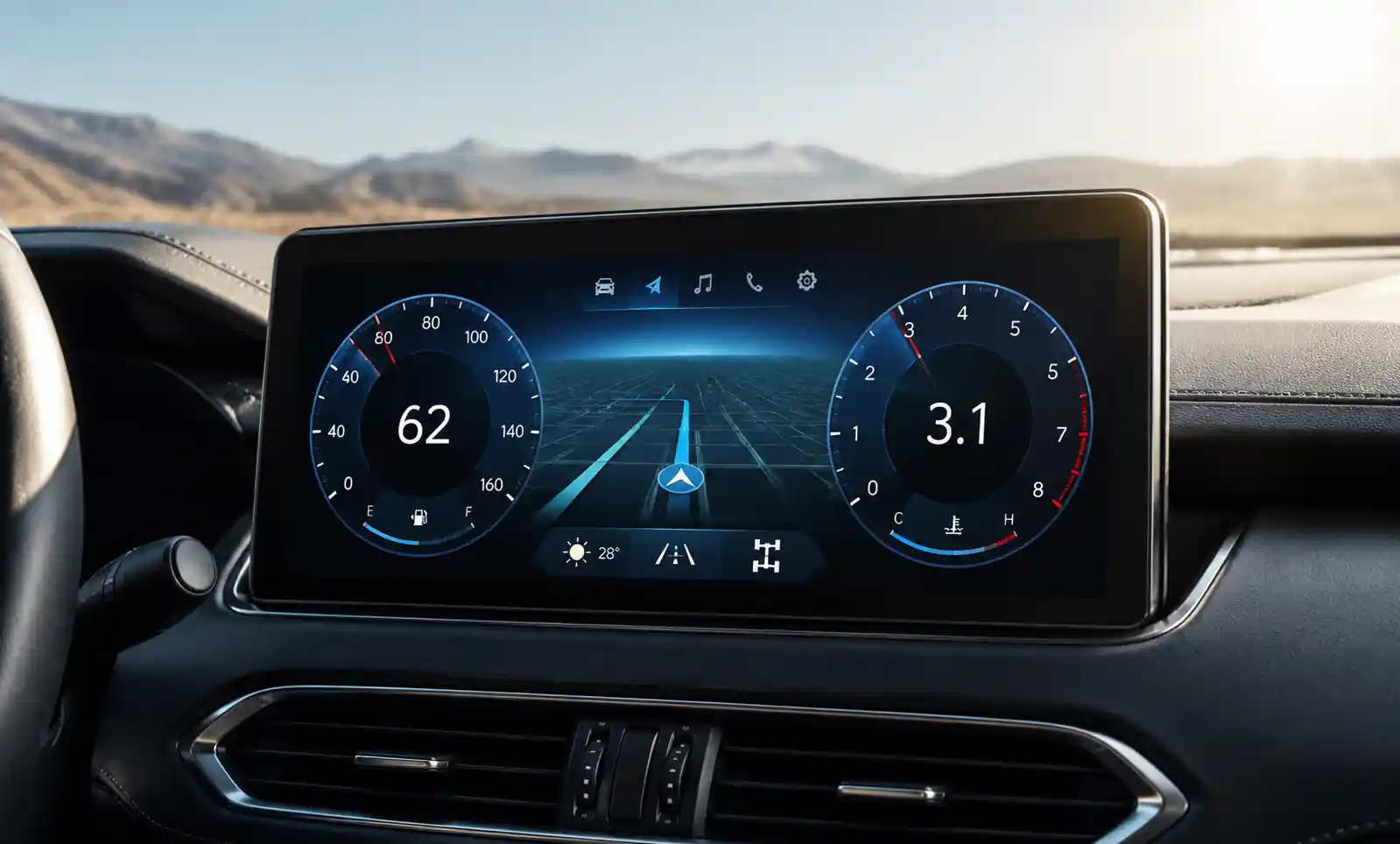
| Automotive | LCD | Temperature tolerance, sunlight readability, proven reliability |
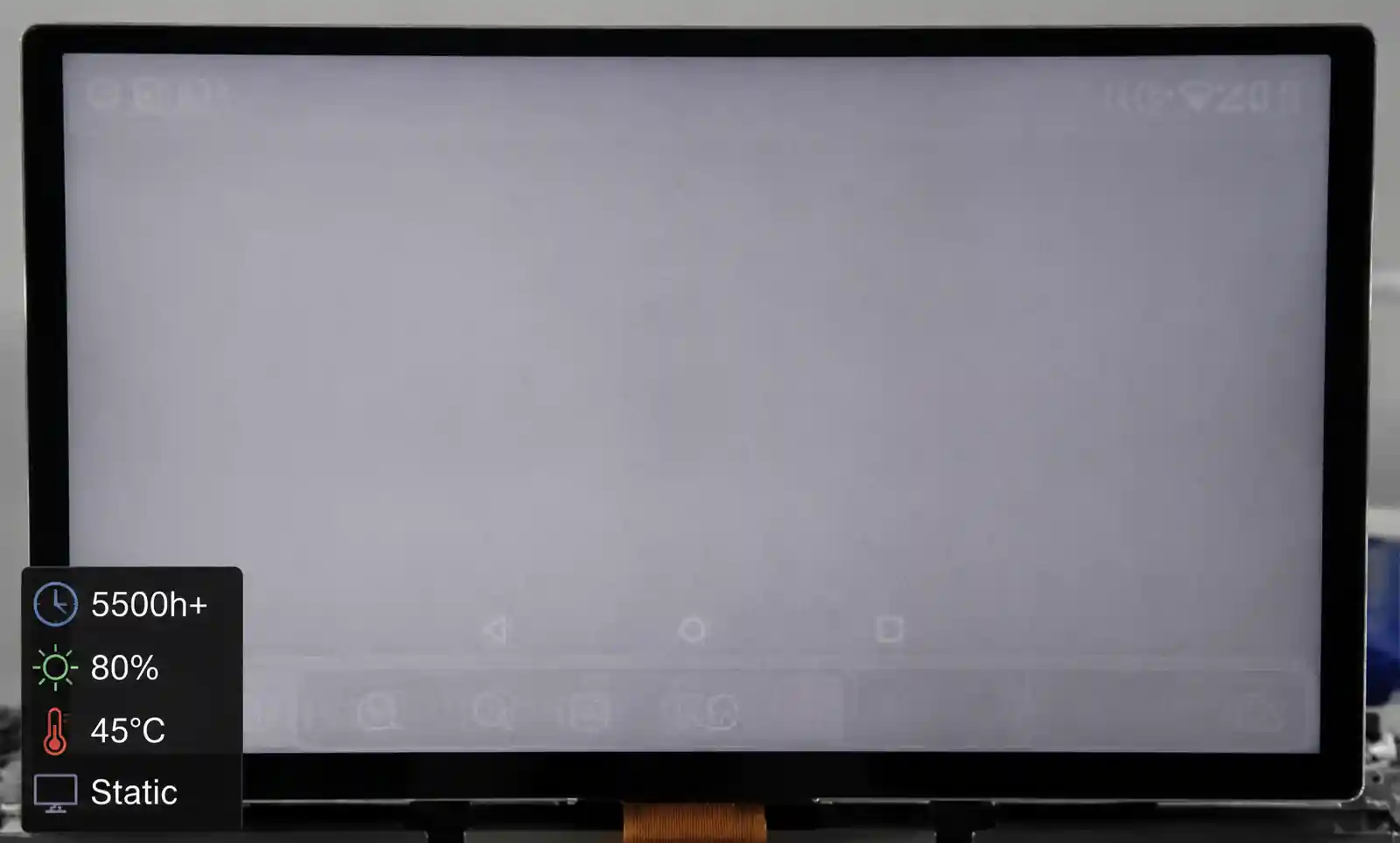
Burn-in Consideration: OLED burn-in from persistent static UI elements (taskbars, logos, status bars) remains a real concern. Modern OLEDs implement pixel shift, logo dimming, and screen refresh algorithms, but these don't eliminate risk entirely. Budget 10-15% replacement rate over a 4-year commercial deployment with static content elements.
5. Cost Analysis and TCO
| Display Size | LCD Cost Range | OLED Cost Range | Cost Multiplier |
|---|---|---|---|
| Small (under 6") | $8-25 | $15-60 | 1.5-3x |
| Medium (6-15") | $20-120 | $80-300 | 3-5x |
| Large (15-32") | $80-350 | $400-1500 | 4-6x |
| Extra Large (40"+) | $250-800 | $1200-3000 | 4-5x |
Total Cost of Ownership Factors:
- Power Consumption: OLED can deliver 20-40% battery life improvements with typical mixed-content usage (dark UI). For devices displaying predominantly white content, LCD often consumes less power.
- Replacement and Maintenance: LCD maintains 90%+ brightness after 50,000 hours. OLED degrades to ~80-85% after 30,000 hours—LCD replacement intervals of 10+ years vs OLED 5-7 years.
- Burn-in Risk: Static content applications (digital signage, control rooms) should prioritize LCD to avoid visible non-uniformity within 2-3 years of continuous operation.
6. Design Considerations and Common Mistakes
Design Integration Factors:
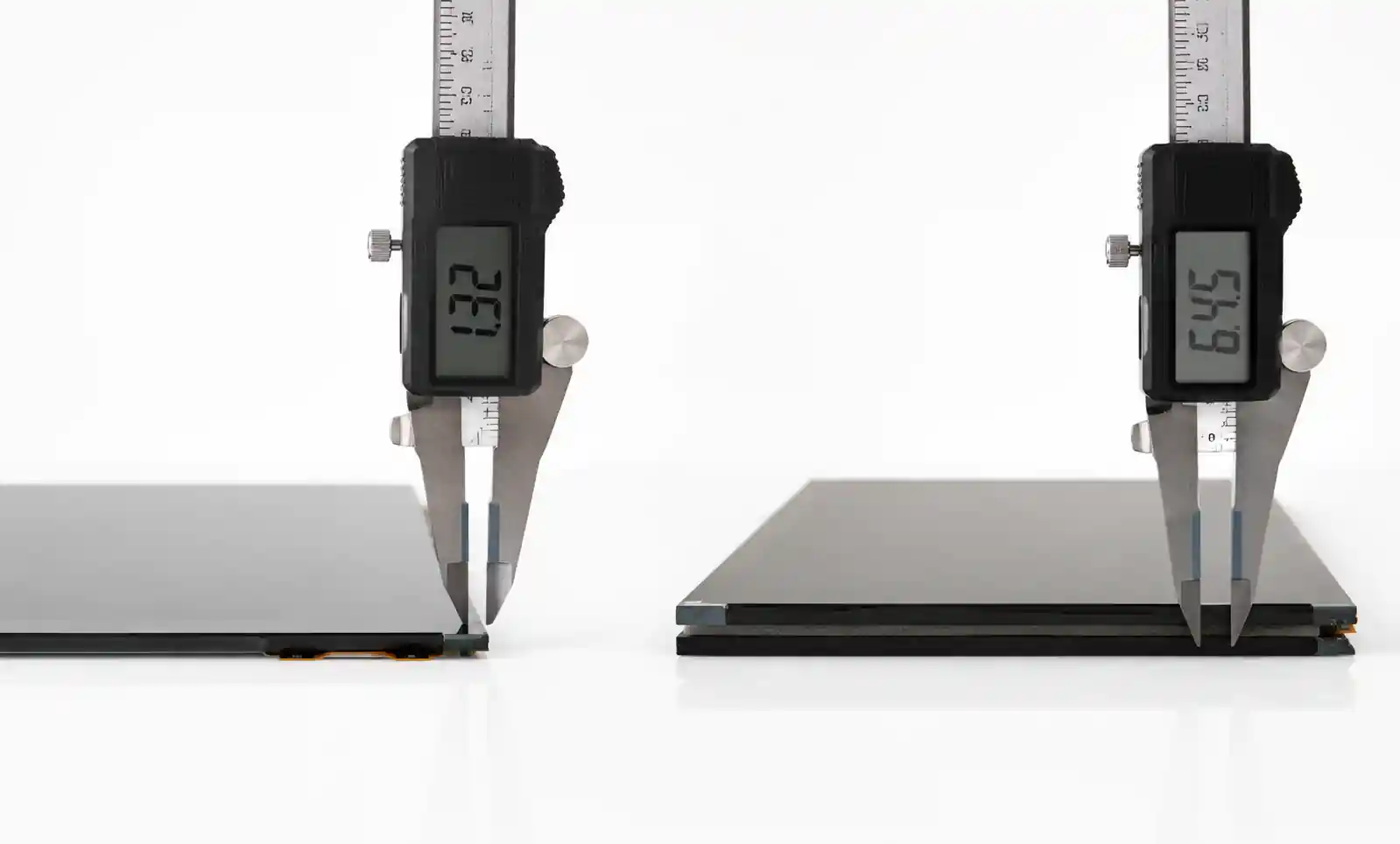
- Thickness and Weight: OLED enables 1-3mm panel thickness vs LCD's 4-8mm. For mobile devices and wearables, this difference is significant.
- Flexibility: OLED on flexible plastic substrates enables curved displays, foldable screens, and non-rectangular shapes impossible with rigid LCD glass.
- Touch Integration: Both support in-cell, on-cell, and add-on touch solutions. OLED's thinner stack can simplify integration.
Common Selection Mistakes:
- Choosing OLED for 24/7 Operation: OLED's organic materials degrade with use. For always-on applications, LCD's consistent performance over 50,000-100,000 hours provides better reliability.
- Ignoring Brightness for Operating Environment: OLED's 400-600 nits sustained brightness may be unreadable in direct sunlight. Verify sustained brightness meets your visibility requirements.
- Overlooking Supply Chain Concentration: OLED manufacturing is concentrated among fewer suppliers (Samsung Display, LG Display). LCD's broader supplier base reduces obsolescence risk.
7. Supply Chain and Sourcing
LCD Suppliers: BOE, Innolux, AUO, Sharp, LG Display, Samsung Display. Standard panels: 6-12 week lead times. Industrial-grade: 14-20 weeks.
OLED Suppliers: Samsung Display (small-medium OLED), LG Display (WOLED), BOE, Visionox. Standard panels: 8-14 weeks. Custom: 16-24 weeks.
| Factor | LCD | OLED |
|---|---|---|
| MOQ (Standard Models) | 100-500 units | 500-2000 units |
| MOQ (Custom Design) | 2,000-10,000 units | 5,000-20,000 units |
| Tooling Costs (Custom) | $5,000-30,000 | $15,000-80,000 |
| Design Lock Timeline | 4-6 months | 6-10 months |
Dual-Sourcing Strategy: For LCD, specify standard LVDS/eDP interfaces enabling panel swaps between suppliers. OLED's less standardized interfaces make dual-sourcing more challenging—budget for panel-specific driver IC firmware.
8. FAQ
Can OLED displays be used outdoors or in direct sunlight?
OLED's sustained brightness of 400-600 nits typically falls short of outdoor readability. High-brightness LCD at 1000-2500 nits provides superior visibility. Verify through prototype testing if outdoor use is required.
How long does OLED burn-in take?
Worst-case (high brightness, static area, 24/7): 3,000-6,000 hours. Typical consumer usage with pixel-shift: 30,000+ hours. For commercial static UI, assume visible non-uniformity within 2-3 years.
Which offers better color accuracy?
Both achieve excellent accuracy when calibrated. High-end LCD monitors achieve Delta E <1 covering 99%+ Adobe RGB. OLED offers wider native gamut but requires periodic recalibration due to brightness degradation.
What is the actual power consumption difference?
For smartphones with dark mode: OLED consumes 20-40% less. For laptops with white content: LCD often consumes 10-30% less. Request content-representative power measurements from your supplier.
Are there hybrid technologies?
Mini-LED backlights with thousands of dimming zones deliver contrast ratios approaching OLED while maintaining LCD's brightness, lifespan, and lower cost. Micro-LED promises OLED-like contrast without organic degradation but remains expensive and limited to large formats.
How do I handle supply chain disruptions?
For LCD, specify interfaces compatible with multiple suppliers and maintain a qualified alternate list. For OLED, negotiate 3-5 year supply commitments and establish last-time-buy quantities 12-18 months before discontinuation.
9. Conclusion
Choose LCD when your application requires sustained high brightness (outdoor, automotive), 24/7 operation with static UI elements, extended lifespan beyond 50,000 hours, cost sensitivity, operating temperatures beyond OLED's typical range, or supply chain diversity. Choose OLED when contrast ratio and true black levels drive user experience (media, gaming, VR/AR), thin profile and light weight are critical, power efficiency matters with predominantly dark content, flexible or curved form factors are required, or response time under 1ms is needed. Before finalizing, verify sustained brightness in your actual environment, power consumption with your content mix, expected lifespan based on your duty cycle, supply lead times for your volume projections, and availability of drop-in replacement options.