


How to Find Reliable TE & Molex Connector Alternatives (Without Redesigning Your PCB)
Are you staring at a BOM (Bill of Materials) with a critical TE Connectivity or Molex connector showing a staggering 52-week lead time? Or perhaps you just received an End of Life (EOL) notice for a component that sits at the heart of your flagship product? You are not alone. In today's volatile electronic component supply chain, relying solely on tier-one Western brands can paralyze your production line and inflate your manufacturing costs.
The good news? You don't have to halt production or spend thousands of dollars redesigning your circuit board. In this comprehensive guide, you will learn exactly how to identify pin-to-pin compatible drop-in replacements, ensure your existing crimping tools still work, and drastically reduce your BOM costs without sacrificing electrical reliability.
Table of Contents
- 1. Understanding Connector Alternatives: The Basics
- 2. Core Concepts Simplified
- 3. Step-by-Step Guide to Finding the Perfect Drop-in Replacement
- 4. Expert Tips & Common Pitfalls to Avoid
- 5. Conclusion & Final Thoughts
1. Understanding Connector Alternatives: The Basics
For hardware engineers and procurement managers, the decision to switch from established giants like TE Connectivity, Molex, or JST to alternative brands is rarely taken lightly. However, the current manufacturing landscape demands flexibility.
When original manufacturers allocate their stock to massive automotive or aerospace clients, smaller B2B enterprises and hardware startups are left stranded. Finding a Molex Mini-Fit Jr alternative or a TE Superseal 1.5 drop-in replacement is no longer just a cost-saving measure; it is a critical survival strategy.
By sourcing verified, high-quality alternatives (often from established Asian manufacturers who specialize in exact cross-matching), you unlock three massive advantages:
- Supply Chain Reliability: Shrink lead times from 52 weeks down to a manageable 2-4 weeks.
- Cost Reduction: Achieve a 30% to 50% reduction in connector BOM costs.
- MOQ Flexibility: Avoid being forced into buying 50,000 pieces when you only need 5,000 for your current production run.
The secret lies in knowing how to evaluate these alternatives to ensure they meet the rigorous demands of your engineering team.
2. Core Concepts Simplified
Before diving into datasheets and cross-reference lists, let's translate some of the heavy engineering jargon into plain English. Whether you are a seasoned engineer or a procurement specialist, understanding these terms is vital for seamless communication.
- Drop-in Replacement (No PCB Redesign Required): Think of this like replacing a burnt-out lightbulb. You don't need to change the wiring in your house; you just need a bulb with the exact same screw base (like E27). A drop-in replacement connector has the exact same physical dimensions and pin locations as the original. You literally unplug the old one, plug in the new one, and the system works perfectly.
- Pitch (Contact Spacing): Imagine the teeth on a comb. The "pitch" is the exact distance between the center of one metal pin and the center of the next (e.g., 2.54mm or 4.20mm). If the pitch of your alternative connector is off by even a fraction of a millimeter, it simply will not fit into the pre-drilled holes on your circuit board.
- End of Life (EOL): The dreaded notification from a manufacturer that they are permanently stopping production of a specific part. This is the #1 trigger that forces engineers to hunt for alternatives.
- Current/Voltage Rating: Consider this the "speed limit" of your connector. It defines the maximum electrical power the connector can handle before it overheats, melts, or catches fire. Your alternative must have a rating equal to or higher than the original part.
Concept Comparison: OEM Strategy vs. Alternative Strategy
| Feature / Strategy | Sticking with OEM (TE/Molex) | Switching to Verified Alternatives |
|---|---|---|
| Lead Times | Often 26 to 52+ weeks (High risk of line-down) | Typically 2 to 4 weeks (In-stock or fast production) |
| BOM Cost | Premium pricing | 30% - 50% lower cost |
| MOQ (Minimum Order) | Extremely high (often 10k+ reels) | Highly flexible (friendly for mid-volume runs) |
| Engineering Effort | Zero (already validated) | Low (Requires one-time datasheet verification & testing) |
3. Step-by-Step Guide to Finding the Perfect Drop-in Replacement
Switching connector brands doesn't have to be a guessing game. By following a systematic, data-driven approach, you can mitigate risks and ensure perfect compatibility.

3.1 Scenario A: Surviving a 52-Week Lead Time (The Molex Mini-Fit Jr Case)
The Molex Mini-Fit Jr (4.20mm pitch) is universally used in power supplies and industrial equipment. When it goes out of stock, panic ensues. Here is how you execute a painless swap:
Step 1: Identify the exact OEM Part Number.
Don't just say "I need a 4-pin Molex." You need the exact string, e.g., 39-01-2040.
Step 2: Check the Pitch and Current Rating. Confirm from the original datasheet that it is a 4.20mm pitch, capable of handling up to 9A per circuit.
Step 3: Reach out for a Cross-Reference. Instead of manually searching through massive catalogs, use a direct approach with alternative suppliers. Here is a highly effective, professional email template you can copy and paste:
3.2 Scenario B: Handling TE Connectivity EOL Announcements
When dealing with harsh environments, the TE Superseal 1.5 series is a staple. If you face an EOL notice, you must ensure the alternative matches not just electrical specs, but also mechanical sealing (IP67 waterproof ratings).
When evaluating the replacement, demand a specification matrix from the new supplier to ensure absolute parity.
Specification Matrix: TE Superseal 1.5 vs. Verified Alternative
| Specification | Original TE Superseal 1.5 | Verified Drop-in Alternative | Compatibility Status |
|---|---|---|---|
| Pitch | 6.00mm | 6.00mm | ✅ Exact Match |
| Current Rating | 14A Max | 15A Max | ✅ Exceeds OEM |
| Waterproof Rating | IP67 | IP67 | ✅ Exact Match |
| Wire Range (AWG) | 24-16 AWG | 24-16 AWG | ✅ Exact Match |
| Operating Temp | -40°C to +125°C | -40°C to +125°C | ✅ Exact Match |
Note: Always request physical samples to test the mating force and locking mechanism before committing to a mass production run.
4. Expert Tips & Common Pitfalls to Avoid
If you browse through communities like Reddit's r/AskElectronics or the EEVblog forums, you will quickly find horror stories of engineers who bought cheap, unverified connectors and paid a heavy price. Here is the real-world experience you need to avoid those costly mistakes.
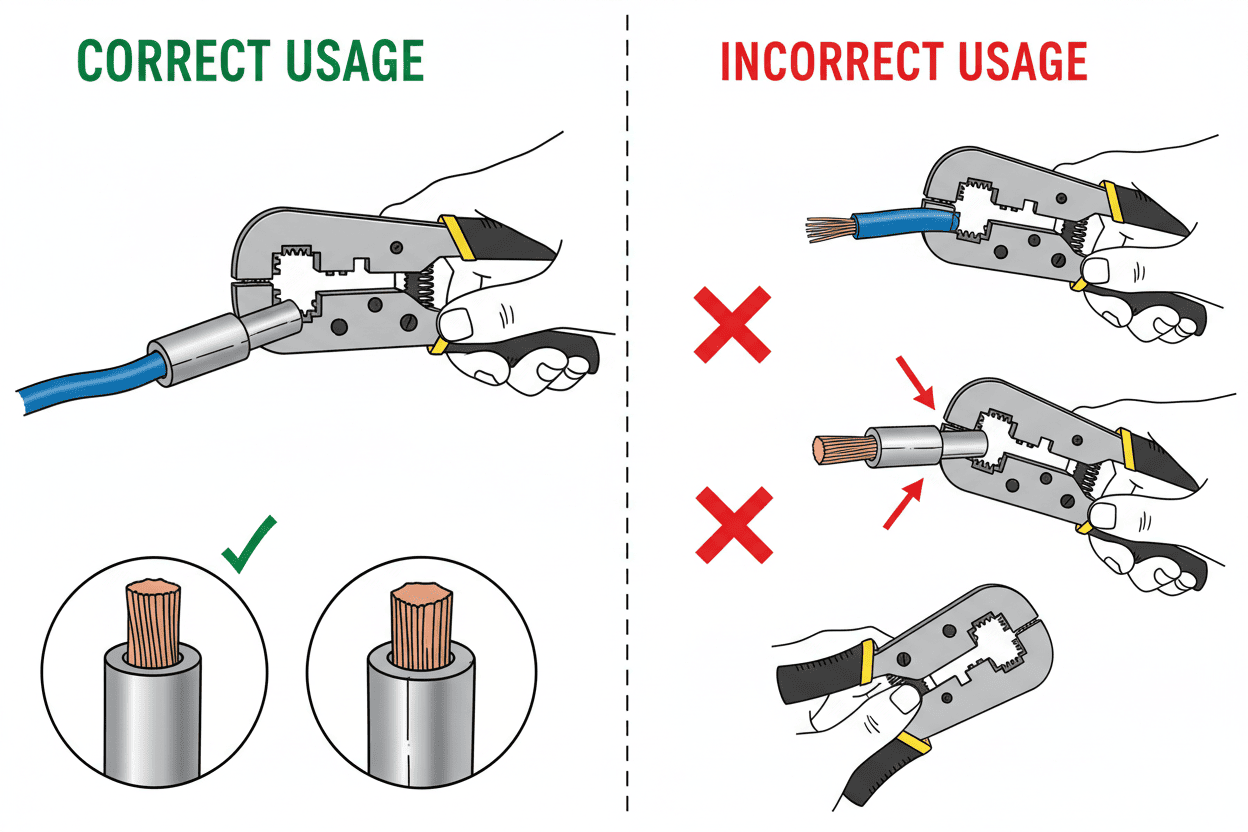
Pitfall 1: The Hidden Cost of Crimping Tools (Tooling Compatibility)
This is the single biggest trap. You find an alternative terminal that costs 50% less, but when it arrives, you realize it requires a proprietary crimping applicator that costs $1,500. The Fix: Always explicitly ask the manufacturer: "Can I use my existing TE/Molex standard hand tools and automated applicators for your terminals?" High-quality alternative terminals are intentionally designed to match the exact metal thickness and barrel shape of the OEM parts, ensuring your existing tooling works flawlessly.
Pitfall 2: Ignoring the Plastic Flammability Rating (UL94V-0 vs. UL94V-2)
Many cheap knock-offs cut costs by using inferior plastic resins. If your original Molex connector is rated UL94V-0 (self-extinguishing, highly flame retardant), and you replace it with a UL94V-2 part, you might fail your final product's safety certification (like CE or UL).
The Fix: Always verify the housing material in the datasheet. Look for Nylon 66 (PA66) with a certified UL94V-0 rating if your application involves high power or enclosed spaces.
Pitfall 3: Plating Thickness Deception
A connector might look identical, but the metal plating matters. If your original part uses heavy gold plating for high mating cycles (frequent plugging and unplugging), a cheap "gold flash" alternative will wear out quickly, leading to corrosion and signal failure. The Fix: Match the plating specifications exactly. If you need Tin (Sn) plating for standard power delivery, ensure the alternative uses a high-quality Tin over Nickel underplate to prevent oxidation.
5. Conclusion & Final Thoughts
Navigating the turbulent waters of electronic component sourcing doesn't have to mean accepting 52-week lead times or exorbitant prices. By understanding the core mechanics of drop-in replacements, carefully checking pitch and current ratings, and remaining vigilant about crimping tool compatibility, you can seamlessly transition to reliable alternative brands.
Taking the time to validate a high-quality alternative today not only solves your immediate supply chain crisis but also builds a more resilient and cost-effective BOM for the future.
Quick Summary: Connector Alternative Checklist
| Action Item | Why it Matters | Status |
|---|---|---|
| Verify Pitch & Dimensions | Ensures the new connector physically fits your existing PCB layout without redesigns. | ⬜ |
| Check Electrical Specs | Current and Voltage ratings must meet or exceed the original OEM specifications. | ⬜ |
| Confirm Tooling Compatibility | Saves you from buying expensive new crimping tools or applicators. | ⬜ |
| Validate Material (UL94V-0) | Ensures compliance with safety standards and prevents melting/fire hazards. | ⬜ |
| Request Samples & Test | Proves mating force, locking feel, and real-world reliability before mass production. | ⬜ |
Ready to optimize your BOM and eliminate lead time anxiety? Don't let EOL notices dictate your production schedule. Start utilizing cross-reference tools today, request samples, and take back control of your supply chain. If you found this guide helpful, share it with your engineering and procurement teams to streamline your next component sourcing cycle!