



NAND vs NOR Flash Memory: Architecture, Performance, and Engineering Trade-offs
Flash memory is widely used across embedded systems and consumer electronics, but NAND and NOR flash serve fundamentally different purposes. Their differences are not just about speed or capacity—they originate from how the memory cells are physically arranged and accessed. This article takes a practical engineering view, focusing on how these differences impact real system design, performance behavior, and long-term reliability.
Table of Contents
- Flash Memory Fundamentals
- NAND Flash: Design and Behavior
- NOR Flash: Design and Behavior
- Architecture Comparison
- Performance Analysis
- Density and Cost Considerations
- Power Consumption
- Reliability and Data Integrity
- Application Scenarios
- Design Selection Guidelines
- FAQ
Flash Memory Fundamentals
At a low level, flash memory is built on floating-gate transistors. These devices store information by trapping electrons in an insulated gate, which changes the transistor’s threshold voltage.
A few practical constraints shape how flash is used:
- Data cannot be overwritten directly; erase is required first
- Erase operations happen at block granularity
- Each cell has a limited number of program/erase cycles
These limitations are handled very differently in NAND and NOR designs.
NAND Flash: Design and Behavior
NAND flash is built for storing large amounts of data efficiently.
What matters in practice
- Cells are connected in series chains
- Operations are grouped:
- Page (read/write)
- Block (erase)
- Always used with a controller (FTL + ECC)
This structure reduces silicon area, which is why NAND scales well in capacity.
However, there are trade-offs:
- Random access is indirect
- Error rates are higher
- Requires background management (wear leveling, bad block handling)
NOR Flash: Design and Behavior
NOR flash takes a different approach, prioritizing direct access.
Key traits
- Cells connected in parallel
- True random access (byte addressable)
- CPU can read directly from it
This allows execute-in-place (XIP), meaning code runs directly from flash without copying to RAM.
The downside is area efficiency—each cell requires more wiring, which limits density.
Architecture Comparison
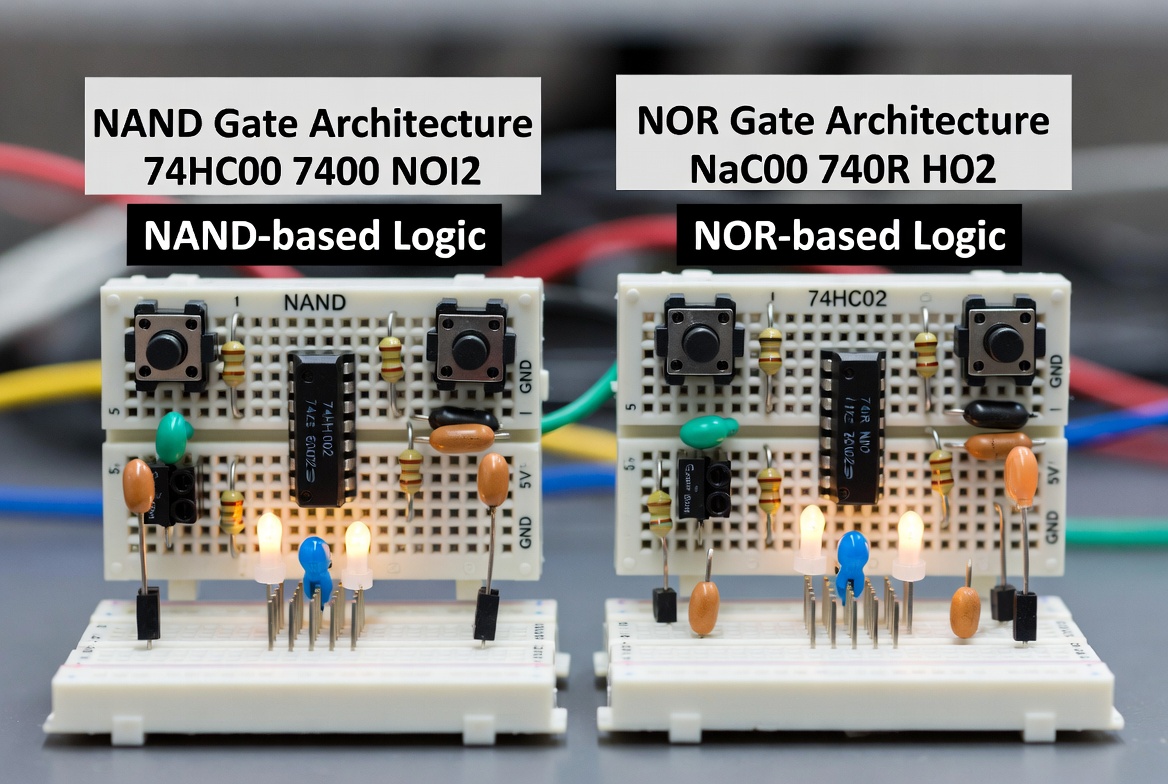
The internal topology explains most of the observable behavior:
- NAND shares connections across multiple cells → compact but indirect access
- NOR connects each cell individually → fast access but larger footprint
In simple terms: NAND saves space, NOR saves time.
Performance Analysis
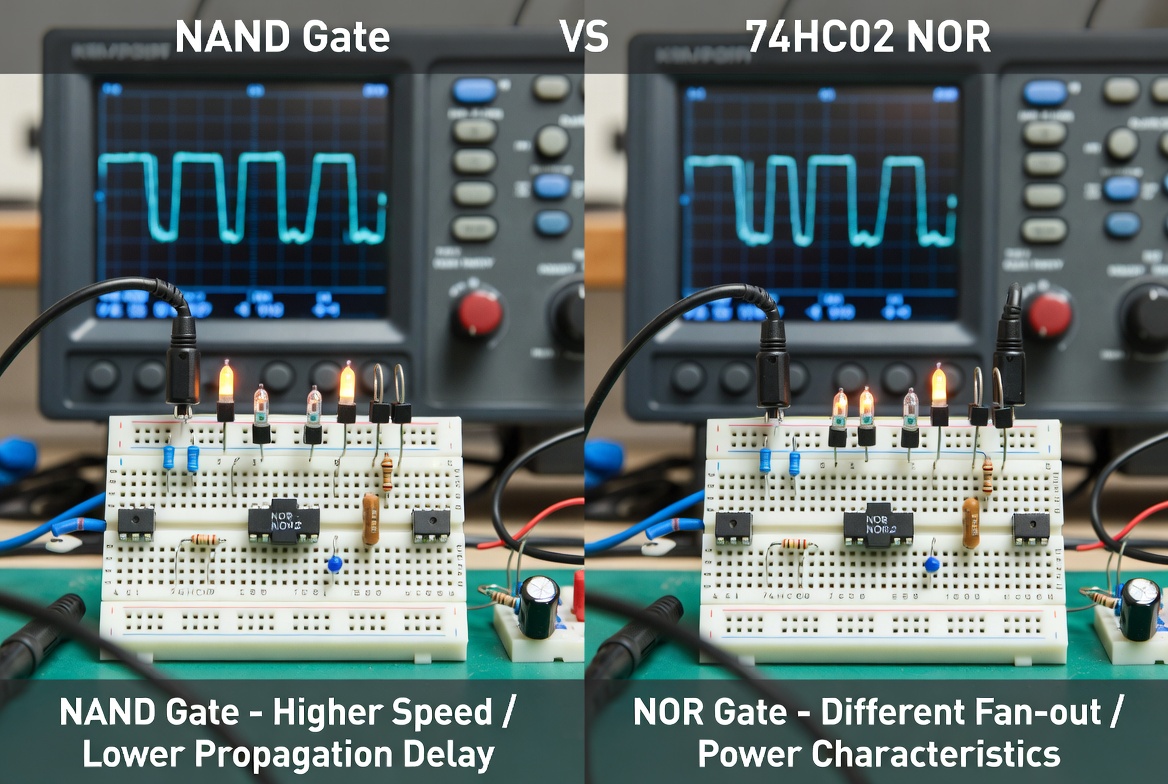
Instead of looking at raw numbers, it’s more useful to think in terms of access patterns:
- NAND performs best with sequential data streams
- NOR performs best with small, random reads
Performance Comparison Table
| Operation | NAND Flash | NOR Flash |
|---|---|---|
| Random Read | Moderate | Very Fast |
| Sequential Read | Fast | Moderate |
| Write | Fast (Page-based) | Slow |
| Erase | Fast (Block-based) | Slow |
This is why NAND dominates storage devices, while NOR is still used in boot systems.
Density and Cost Considerations
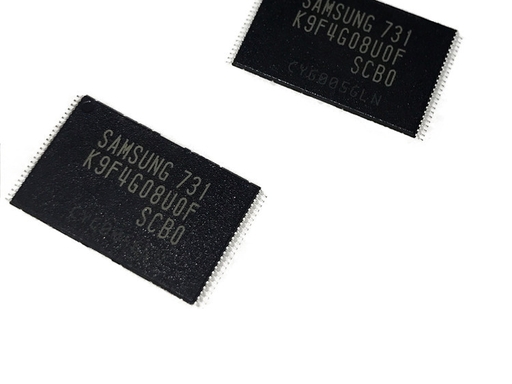
NAND’s structure allows more bits per unit area:
- Smaller cell size
- Fewer metal connections
- Easier vertical stacking (3D NAND)
NOR, by contrast:
- Requires individual connections per cell
- Consumes more die area
- Becomes expensive at scale
This is the main reason NAND is used for gigabytes and terabytes, while NOR typically stays much smaller.
Power Consumption
Power usage depends heavily on how the memory is accessed.
- NAND is efficient during large transfers because operations are batched
- NOR tends to consume more during write/erase due to repeated small operations
In low-duty systems (like firmware storage), NOR’s power cost is usually acceptable. In data-heavy systems, NAND is far more efficient.
Reliability and Data Integrity
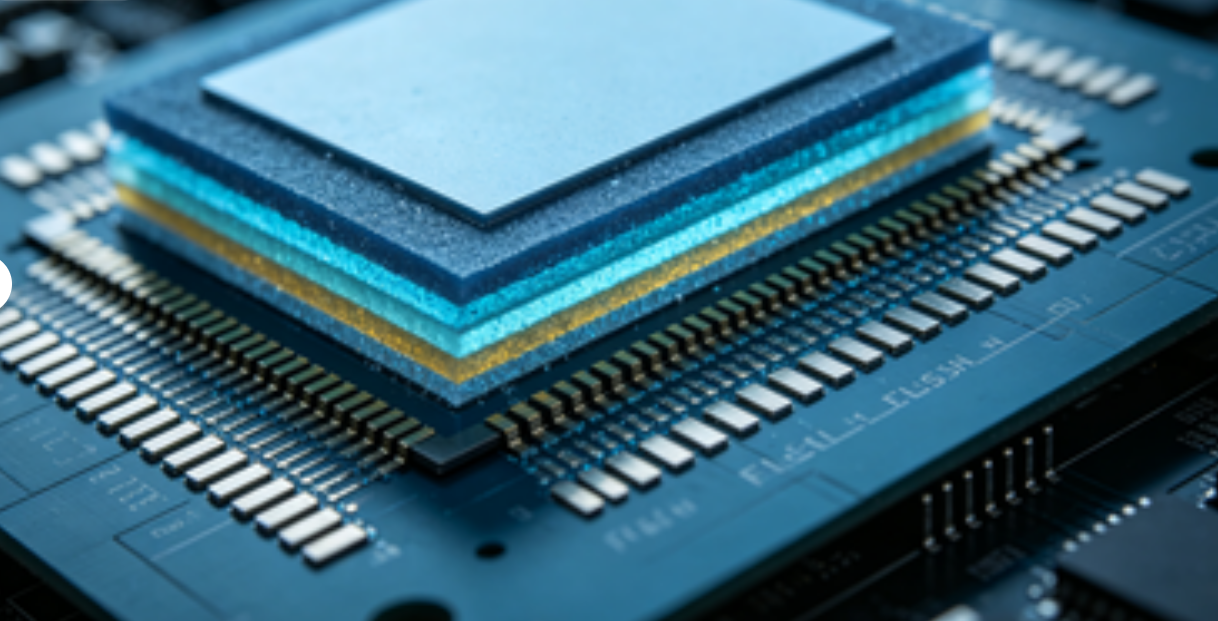
NAND considerations
As density increases, reliability becomes a system-level problem:
- Bit errors accumulate over time
- Read disturb and cell interference occur
- Data retention degrades
To compensate:
- ECC is mandatory
- Wear leveling spreads usage
- Bad blocks are mapped out
NOR behavior
NOR is simpler in this regard:
- Lower raw error rate
- Stable read characteristics
- Minimal correction overhead
This is why NOR is still preferred for storing critical boot code.
Application Scenarios
NAND Flash
Used where capacity and throughput matter:
- Solid-state drives
- Mobile storage (UFS, eMMC)
- Memory cards
NOR Flash
Used where reliability and direct access matter:
- Boot ROM / firmware
- BIOS / UEFI
- Industrial controllers
Design Selection Guidelines
From a system design perspective:
NAND is the better choice if:
- You are building a storage subsystem
- Data is accessed in large chunks
- Cost per GB matters
NOR is the better choice if:
- The system must boot quickly and reliably
- Code execution must be deterministic
- Simplicity is preferred over capacity
Common real-world approach
Many systems combine both:
- NOR for boot and critical code
- NAND for bulk storage
This split design is widely used because it aligns with the strengths of each technology.
FAQ
1. Why is NAND not used for direct code execution?
Because access goes through page-based reads and address translation, which adds latency and complexity.
2. Is NOR becoming obsolete?
No. Its role is narrower now, but still essential for boot and safety-critical code.
3. Does higher NAND density reduce reliability?
Yes, especially with TLC and QLC. This is why controller algorithms are increasingly important.
4. Can a system rely only on NAND?
It can, but boot complexity increases and may require specialized hardware support.
5. What is the key takeaway for engineers?
Think in terms of access pattern and system role, not just speed or size.
Conclusion
NAND and NOR flash are not interchangeable. Each is optimized for a different part of the system:
- NAND handles data storage at scale
- NOR handles fast, reliable code access
Understanding their structural differences makes it much easier to design efficient and reliable systems.