



Noise Level Alarm Systems: Engineering Principles, Types, and Industrial Applications
A noise level alarm is an acoustic monitoring system designed to continuously measure environmental sound pressure levels and trigger alerts when predefined thresholds are exceeded. Unlike passive sound measurement instruments, noise alarm systems emphasize real-time decision-making for safety, compliance, and environmental control. This article provides an engineering-focused analysis of sensing principles, system architecture, alarm logic, device classifications, and practical deployment considerations in industrial and commercial environments.
Table of Contents
- Introduction to Noise Level Alarm Systems
- Working Principle and System Architecture
- Acoustic Sensing and Signal Processing
- Types of Noise Level Alarm Systems
- Noise Alarm vs Sound Level Meter
- Engineering Design Considerations
- Applications in Real-World Environments
- Advantages and Limitations
- FAQ
Introduction to Noise Level Alarm Systems
A noise level alarm system is an embedded or standalone monitoring device that evaluates sound pressure levels (SPL) in real time and activates a warning mechanism when noise exceeds a configured threshold.
From an engineering perspective, the system is not merely a “buzzer-based detector,” but a closed-loop monitoring architecture consisting of:
- Acoustic sensor (microphone)
- Signal conditioning circuit
- RMS / dB conversion processing
- Threshold comparison logic
- Output alert stage (visual/audio/network)
Its primary goal is real-time risk mitigation rather than detailed acoustic analysis.
Working Principle and System Architecture
A noise alarm system operates by continuously sampling environmental sound and converting it into electrical signals proportional to sound pressure.
System-Level Workflow
- Acoustic waves captured by microphone
- Analog signal amplification (pre-amplifier stage)
- Filtering (band-limiting to relevant frequency range)
- RMS conversion or DSP-based SPL calculation
- Comparison with predefined threshold
- Alarm activation if exceeded
Figure 1: Noise Level Alarm System Architecture
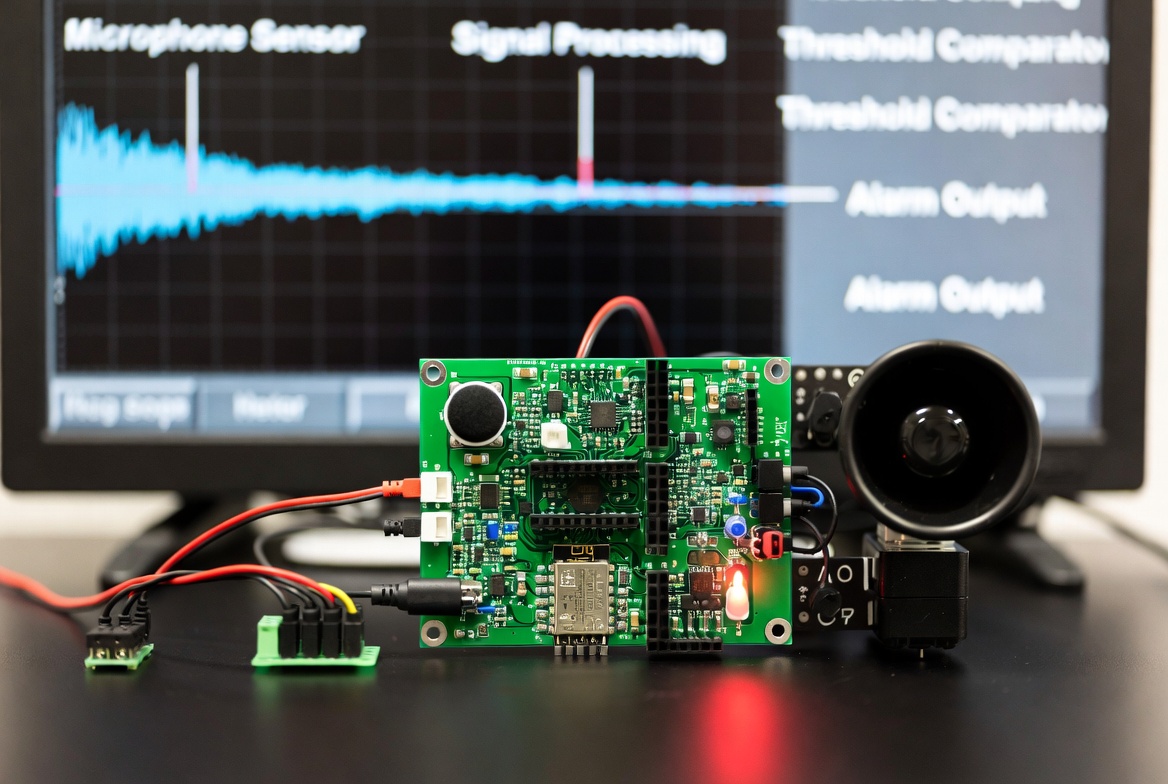
(Suggested: microphone → amplifier → ADC → MCU → alarm output block diagram)
Acoustic Sensing and Signal Processing
1. Microphone as Transducer
Most systems use:
- Electret condenser microphone (low cost)
- MEMS digital microphone (modern systems)
The microphone converts pressure variations into voltage signals.
2. Signal Conditioning Stage
Raw audio signals require:
- Low-noise amplification (LNA)
- Anti-aliasing filtering
- DC offset correction
3. Digital Sound Pressure Level Calculation
In embedded systems, SPL is typically derived using:
- RMS energy estimation
- Logarithmic conversion:
- dB scale reflects human hearing sensitivity
- A-weighting filters for perceptual correction
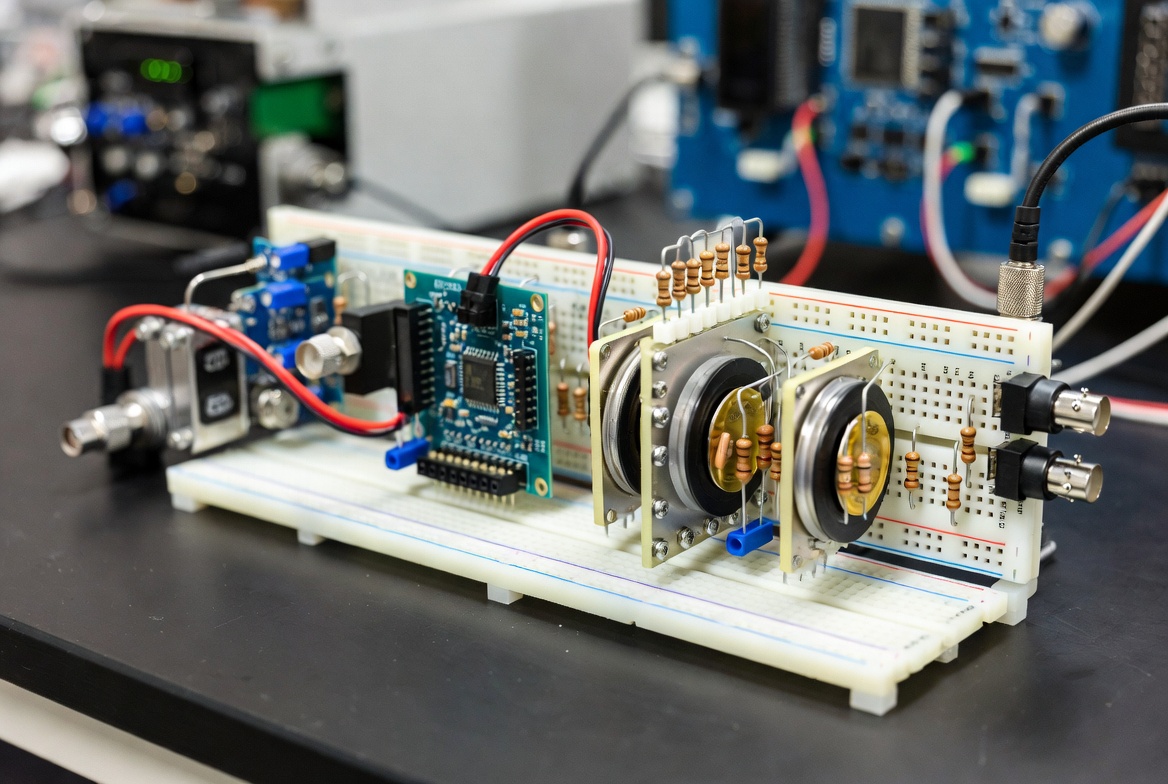
Figure 2: Signal Processing Chain in Noise Alarm
Types of Noise Level Alarm Systems
1. Basic Threshold Alarm Devices
- Fixed threshold trigger (e.g., >85 dB)
- Output: buzzer or LED
- Minimal processing
- Used in classrooms and small offices
2. Industrial Noise Monitoring Systems
- Continuous SPL logging
- Ruggedized hardware design
- Compliance with occupational safety standards
- Used in factories and construction sites
3. Smart IoT Noise Alarm Systems
- Wireless connectivity (Wi-Fi / BLE)
- Cloud-based data logging
- Mobile app notifications
- Trend analysis and predictive monitoring
4. Portable Acoustic Monitors
- Battery-powered handheld devices
- Used for field measurements
- Temporary deployment in multiple locations
Figure 3: Industrial vs Smart Noise Monitoring Systems
Noise Alarm vs Sound Level Meter
| Feature | Noise Level Alarm | Sound Level Meter |
|---|---|---|
| Primary Function | Real-time threshold alerting | Precision acoustic measurement |
| Data Output | Binary or alarm-based output | Continuous numerical readings |
| Processing Depth | Low to moderate | High (frequency analysis, weighting curves) |
| Use Case | Safety monitoring | Compliance testing and diagnostics |
| Complexity | Simple embedded logic | Advanced measurement instrumentation |
Engineering Design Considerations
1. Threshold Calibration
Proper calibration is critical:
- Environmental background noise must be considered
- False triggering should be minimized
- Hysteresis is often added to prevent oscillation
2. Frequency Weighting
Human hearing is non-linear; therefore:
- A-weighting filters are commonly applied
- Industrial systems may also use C-weighting
3. Response Time
System latency depends on:
- Sampling rate
- Processing algorithm
- Filtering window size
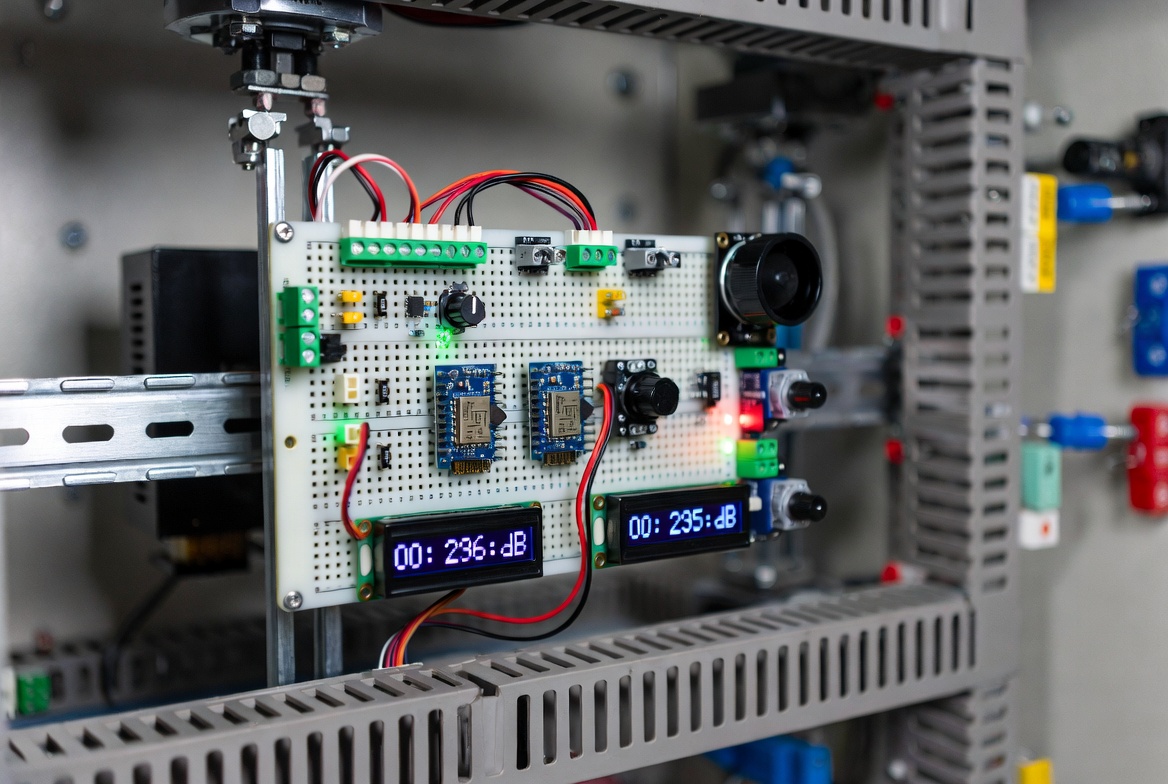
Figure 4: Noise Alarm Calibration and Threshold Logic
Applications in Real-World Environments
Industrial Safety
- Monitoring machinery noise
- Preventing hearing damage exposure
- OSHA compliance support
Construction Sites
- Heavy machinery noise monitoring
- Worker safety alerts
Educational Environments
- Classroom noise regulation
- Behavior control and focus improvement
Healthcare Facilities
- Maintaining acoustic comfort for patients
- ICU and recovery environment monitoring
Smart Buildings
- Integration with building management systems
- Automated environmental control
Advantages and Limitations
Advantages
- Real-time hazard detection
- Low computational overhead
- Easy deployment
- Supports preventive safety systems
- Scalable from simple devices to IoT networks
Limitations
- No source localization capability
- Limited spectral analysis
- Accuracy depends on placement and calibration
- Basic systems may generate false positives
- Not suitable for forensic acoustic analysis
FAQ
Q1: What is the main purpose of a noise level alarm?
It is designed to provide real-time alerts when environmental sound exceeds safe or predefined thresholds.
Q2: How does it differ from a sound level meter?
A noise alarm focuses on alerting, while a sound level meter focuses on precise measurement and analysis.
Q3: Can it identify the source of noise?
No. It only measures intensity, not direction or origin of sound.
Q4: What sensor is commonly used?
Electret condenser microphones and MEMS microphones are most commonly used.
Q5: Is it suitable for industrial compliance?
Yes, but only advanced industrial-grade systems with calibration and logging capabilities.
Conclusion
Noise level alarm systems represent a practical implementation of real-time acoustic monitoring technology. While they lack the analytical depth of professional sound measurement instruments, their strength lies in immediate response, simplicity, and reliability in safety-critical environments. Modern systems increasingly integrate digital processing and IoT connectivity, expanding their role from basic warning devices to intelligent environmental monitoring nodes.